
Reviewed · VUNG TAU DAY TRIPS FROM SAIGON
Vung Tau/Ho Chi Minh: Nui Dat, Long Tan, Long Phuoc tunnel
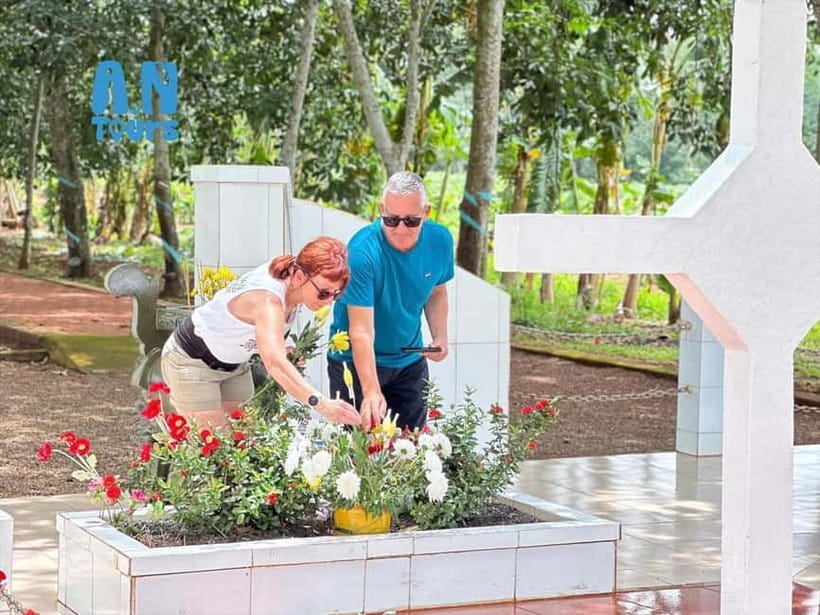
The most moving part of this half-day tour is the Long Tan Cross, a quiet memorial to 18 Australian soldiers killed in the 1966 Battle of Long Tan. The visit is not just a quick photo stop. You receive a flower for the memorial, hear about the battle, and get time to consider what happened here.
I like the way the tour links military sites with ordinary village life. The Nui Dat Kindergarten, built by Australian veterans for local children in 2002, gives the story a human side. I also like the small details at the former base, including the Kangaroo pad, SAS Hill, Luscombe airfield, old bunkers, and battalion flagpole.
The main consideration is that this is a history-focused tour, not a scenic day out. Some wartime sites are modest or difficult to picture without a good guide, and the exact pickup point should be confirmed before booking, especially if you are staying outside Vung Tau or Ba Ria.
Key points to know before booking
- The Long Tan Cross honors 18 Australian soldiers killed in the 1966 battle.
- Nui Dat shows the former Australian base area, including bunkers, SAS Hill, the Kangaroo pad, Luscombe airfield, and the battalion flagpole.
- The Long Phuoc Tunnel is the most hands-on stop, with an underground network linked to wartime activity.
- The Horse Shoe Fire Support Base adds military context to the Long Tan story.
- Guides such as Tony, Joe, and Binh explain the campaign in English, with a respectful tone and room for questions.
- The $75 price includes transport, permits, entrance fees, water, a flower, and an English-speaking guide, making it useful for a short private-style outing.
Why this small corner of Ba Ria matters
The area around Nui Dat and Long Tan is important because it connects the Australian military presence with Vietnamese villages, roads, farms, and former base sites. You are not touring a preserved war museum with every object behind glass. Instead, you move through places where the past is often marked by a cross, a bunker, a field, or a name on a map.
That can make the visit feel plain at first. It also makes a guide especially important. Tony, Joe, and Binh are among the guides associated with the tour, and the strongest feedback centers on clear English, warmth, and a strong grasp of the campaign. Tony is also praised for his good humor and even his singing, which may sound like a small detail, but helps keep a serious morning from becoming stiff.
I like this format because it avoids turning the war into a list of dates. You learn where Australian soldiers based themselves, how fire support worked, what happened at Long Tan, and how veterans later supported children in the nearby community. The story has military facts, but also memory, loss, and contact between former enemies.
More Long Tan battlefield days:
- Long Tan and Nui Dat – Australian Battlefield one-day tour from Ho Chi Minh City
★ 5.0 · 115 reviews - Private Tour to Long Tan – Former Australian Military Base
★ 5.0 · 94 reviews - Long Tan, Nui Dat & Vung Tau Highlights – 1 day Private Tour
★ 5.0 · 82 reviews
Starting at Nui Dat, the former Australian base
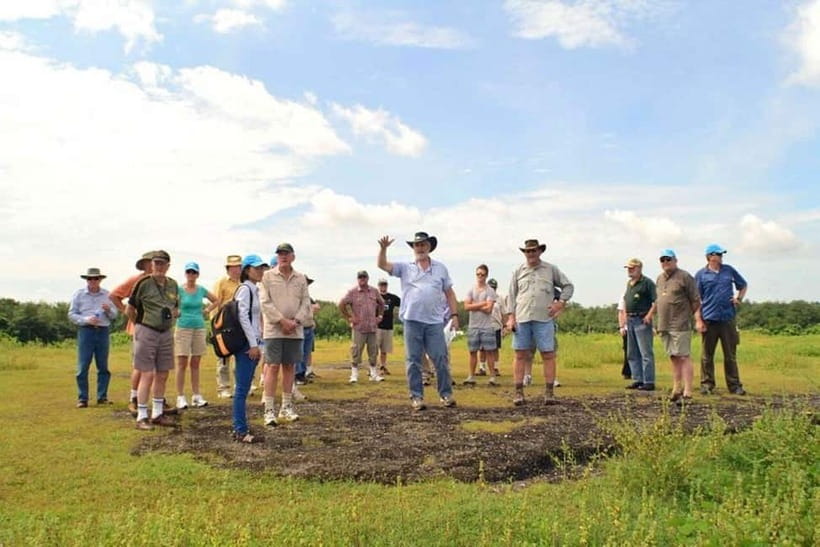
The first major area is Nui Dat, reached through Hoa Long village, also known as VC Home. Australian soldiers established their base here in 1966. The tour takes you around the former base area and points out several features connected with its operation.
The old bunkers help you picture the defensive side of the base. The Kangaroo pad and SAS Hill add more detail about how different parts of the site were used. You also see the old Luscombe airfield and the battalion flagpole. These names may mean little before the visit, but they become useful reference points as your guide explains the layout.
Do not expect a perfectly preserved military compound. The appeal lies in placing familiar wartime names onto the actual ground. I find that much more useful than reading about Nui Dat in isolation. A skilled guide can show you how the base related to the surrounding area and why the location mattered.
This is also where the tour may feel less dramatic than its subject suggests. The remains are not presented as a major attraction with a large visitor center. If you want restored buildings, extensive displays, or a museum collection, this outing may leave you wanting more. If you prefer to see the actual setting and hear the story on site, it works well.
The Nui Dat Kindergarten and the tour’s human side
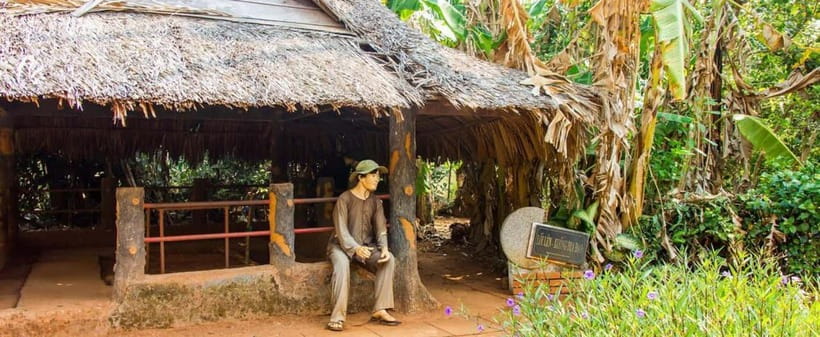
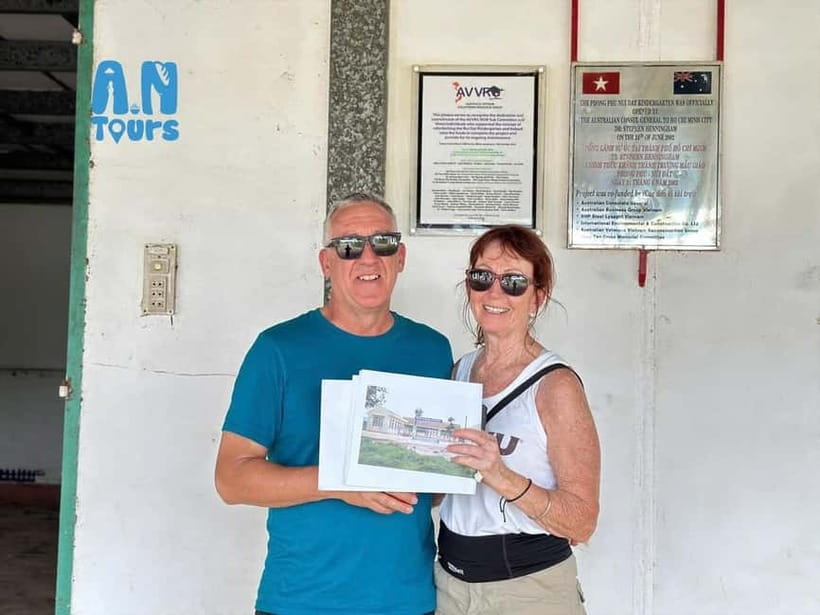
The Nui Dat Kindergarten is one of the most distinctive stops. Australian veterans built it for children in the village in 2002. That date matters: it places the building well after the war and shows one practical way former soldiers chose to maintain a connection with the local community.
This stop changes the rhythm of the morning. After bunkers, airfields, and military positions, you see a place intended for children. I appreciate that the tour includes it because it keeps the visit from treating the area as only a battlefield.
The kindergarten also gives you a chance to consider the long afterlife of war. A military base may disappear or change use, but relationships and local needs continue. The building is a simple reminder that reconciliation can take ordinary forms, such as helping provide a place for children to learn.
You should keep your expectations realistic. The information provided does not describe a formal school program, a classroom visit, or time with teachers. It is a stop connected to the tour’s wider story, not a separate educational activity. Still, it is one of the details that gives this tour more feeling than a standard military-site drive.
Long Tan Cross, a quiet memorial visit
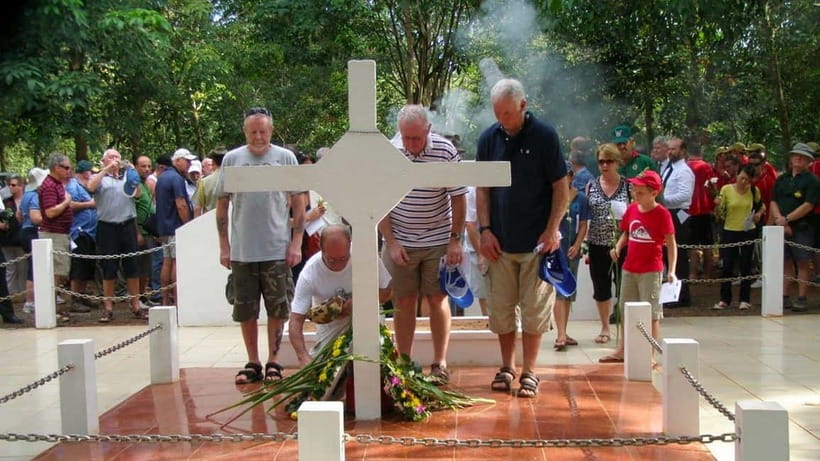
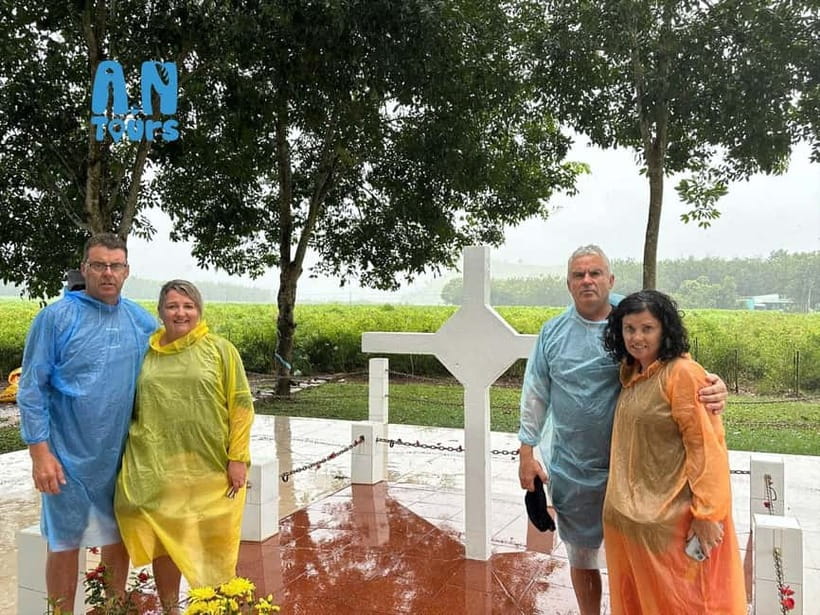
Long Tan Cross is the emotional center of the outing. The cross was rebuilt by Australian veterans to honor the 18 Australian soldiers who died in the Battle of Long Tan in 1966. A flower is included for the memorial, which gives you a simple way to mark the visit.
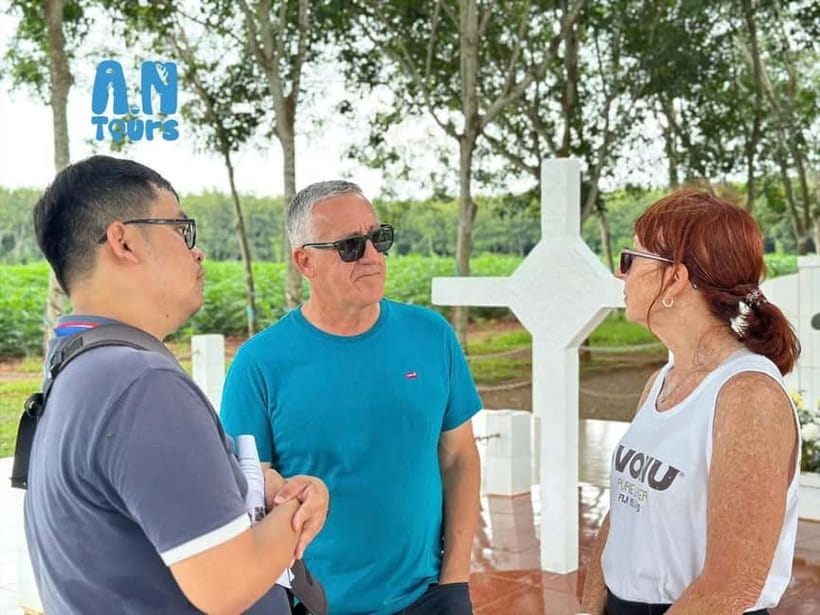
The setting is important. This is a memorial site rather than a loud attraction. Your guide explains the battle and the role of the soldiers, while you have a chance to pause and pay respect. The strongest guide feedback highlights a careful and respectful approach, especially when discussing the lives lost on both sides of the war.
I would allow yourself time here rather than treating it as a quick stop for a photograph. The memorial becomes more meaningful once you understand that it was rebuilt by Australian veterans. It is not simply a leftover wartime object. It reflects how memory has been maintained and reshaped over time.
The Long Tan story can be emotionally heavy, particularly if you have a personal connection to the Australian campaign. One person described the tour as deeply emotional, while another called it a moving way to spend a morning. That is useful guidance: you should come prepared for a reflective visit, not just a sightseeing stop.
More Vung Tau days by the sea:
- Vung Tau Essential: Beach, Christ Statue & Colonial Heritage
★ 5.0 · 284 reviews - Vung Tau Full-Day Tour with Beach, Christ Statue & White Palace
★ 5.0 · 51 reviews - Vung Tau City Private Tour Full Day
★ 4.5 · 21 reviews - Australian Base, Long Tan & Nui Dat Tour with Vung Tau Beach
★ 5.0 · 20 reviews
Horse Shoe Fire Support Base and the military picture
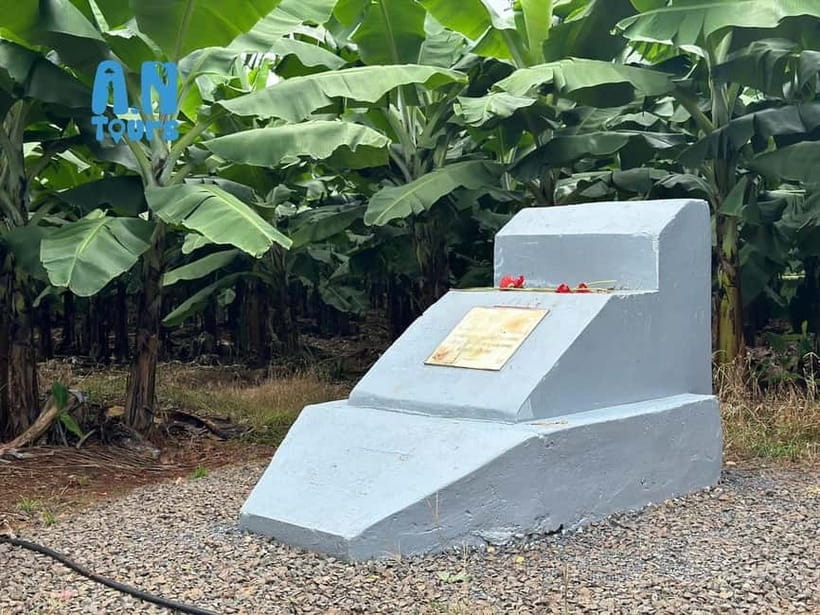
The Horse Shoe Fire Support Base adds another layer to the military story. Its purpose was linked to supporting operations during the Vietnam War, and it helps explain how artillery and defensive positions fitted into the wider campaign.
This stop is valuable because Long Tan was not an isolated event. Battles depend on communication, fire support, movement, and nearby bases. The Horse Shoe site helps your guide connect those pieces rather than presenting the cross as a single, disconnected incident.
As with Nui Dat, the physical remains may be modest. The value comes from location and explanation. I would pay close attention to how the guide describes the base’s role, because the site itself may not tell you much without that context.
The stop is also a reason to wear comfortable shoes. You should expect some walking around outdoor sites, and the tour information specifically recommends practical footwear. Bring water if you prefer to carry your own supply, though drinking water is included.
Long Phuoc Tunnel and the underground view of the war
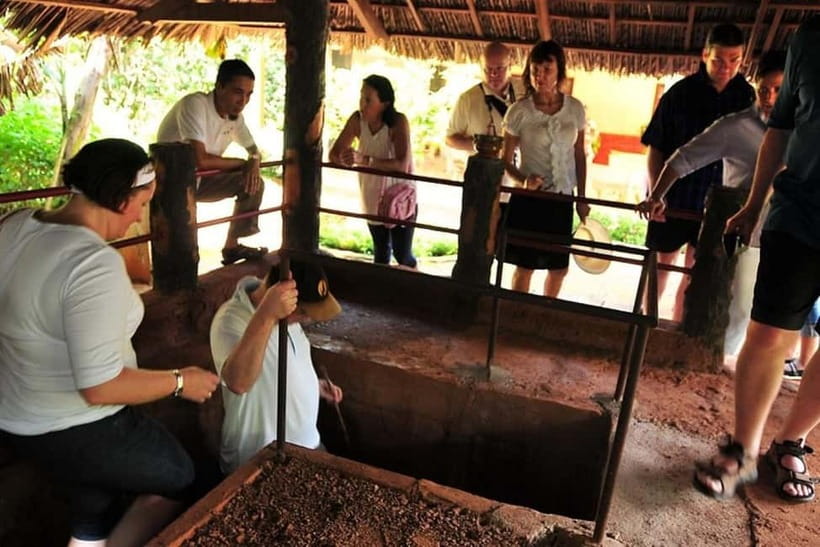
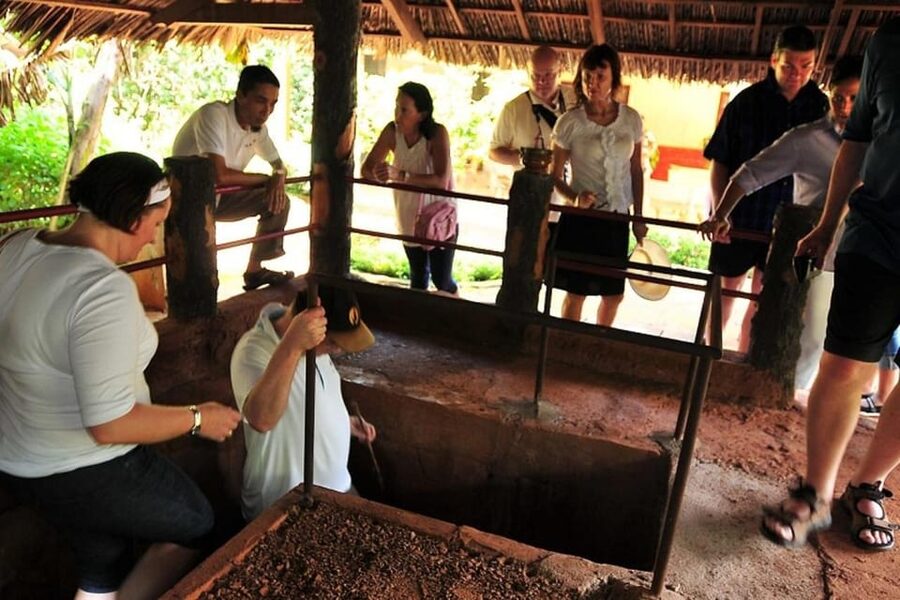
The Long Phuoc Tunnel is the most physical part of the tour. It is a network of underground tunnels connected with local wartime activity. Going below ground gives you a different sense of how people lived, moved, and worked during the conflict.
Tunnel visits can be more demanding than the roadside memorials. You may need to watch your footing and move carefully, so comfortable shoes are not a minor suggestion. Anyone who dislikes enclosed spaces should think about that before booking.
I like the contrast between this stop and Nui Dat. At the former Australian base, you look across an area shaped by military planning. In the tunnel, the focus shifts underground, where concealment and survival mattered. Together, the two sites show different ways the war affected the same region.
The supplied details do not state the length of the tunnel section or describe its exact physical conditions. For that reason, you should ask your guide about the route on the day if you have concerns about mobility or enclosed spaces. The tour is still suitable for many people, but it is not best approached in delicate footwear or with a rushed schedule.
The guides make the difference
The quality of the explanation is central to this tour. Tony receives repeated praise for his English, historical explanations, patience, humor, and willingness to answer questions. Joe is described as gentle, attentive, and eager to make the day memorable. Binh is also praised for his clear guidance, while Tony and drivers such as Thong and Thiem are noted for looking after families well.
These details matter because many of the sites are understated. A guide who only points at a bunker will not give you much. A guide who explains the campaign, the local setting, and the human cost can make a simple roadside stop meaningful.
The drivers also appear to be an important part of the experience. The air-conditioned car is a welcome feature in southern Vietnam, especially when moving between outdoor sites. Feedback highlights courteous driving, clean and spacious vehicles, and a sense of safety.
This is not a promise that every booking will have the same named guide or vehicle. Guide assignments can vary. Still, Tony, Joe, and Binh are names worth requesting if the provider can accommodate that, particularly if the historical explanation is your main reason for booking.
Transport, timing, and value at $75
The tour costs $75 per person and is described as a half-day outing from Vung Tau or Ba Ria. The price includes an English-speaking local guide, transfers, travel permits, entrance fees, drinking water, and a flower for the Long Tan memorial.
I consider that fair value for a short, focused tour. You are paying not only for a car but also for access arrangements, a guide who can explain the campaign, and transport between several sites that would be awkward to connect independently. The air-conditioned vehicle matters in this part of Vietnam, and the included permits and entrance costs make the final price easier to judge.
The value is strongest for a small private group or family that wants a focused morning without arranging separate transport. One booking involved two motorbikes and a changed plan, with the day adjusted to use the available time well. That suggests some flexibility may be possible, but you should not assume every request can be accommodated.
Pickup details deserve attention. The tour is described for Vung Tau and Ba Ria, and one booking began in Ho Tram. At least one person found the pickup point and private-tour setup unclear, so confirm the exact meeting place, vehicle arrangement, and whether your accommodation is covered before you pay.
There is also a holiday surcharge in Vietnam. It is not included in the stated price, so check the total for your dates.
Who will enjoy this tour most
I would recommend this outing to anyone with a direct interest in the Vietnam War, Australian military history, or the Long Tan campaign. It also suits people who prefer local sites and thoughtful explanation over large museums and polished attractions.
Families can benefit from the mix of stops, especially the kindergarten and memorial. Older children may follow the military story, though the emotional subject matter and tunnel visit may not suit every child.
This tour also works for visitors based in Vung Tau who want to see more of Ba Ria without giving up an entire day. The half-day format leaves room for other plans. You should choose it only if you are comfortable giving most of that morning to history, memorials, and wartime locations.
It is less suitable if you want beaches, food tastings, temples, or broad sightseeing. It is also not the best choice if you need a fully structured museum visit with extensive written displays. Much depends on listening to the guide and using your imagination at sites where little remains.
Practical advice for a respectful visit
Wear comfortable shoes. You will visit outdoor military sites and the Long Phuoc Tunnel, and practical footwear will make the morning easier.
Bring questions. Tony and the other guides are praised for answering them, and the subject becomes clearer when you ask about the battle, the base, local communities, or the Australian role in the war.
Plan for a serious tone at Long Tan Cross. The flower is included, so you can take part in the memorial visit without arranging anything yourself. A quiet attitude is appropriate.
Confirm the pickup point and holiday pricing in advance. This is especially important if you are staying in Ho Tram, outside central Vung Tau, or in the wider Ba Ria area.
The tour can be canceled up to 24 hours ahead for a full refund, and you can reserve now and pay later. Those terms are useful if your Vietnam schedule is still changing.
Should you book the Long Tan tour?
Book it if you want a focused, respectful look at the Australian campaign around Nui Dat and Long Tan. The strongest reasons are the guide-led explanation, the Long Tan Cross memorial, the contrast between the former base and Long Phuoc Tunnel, and the practical value of transport and entrance costs included in the $75 price.
I would be more cautious if your main goal is scenery or casual sightseeing. The physical remains can be simple, and the subject is often emotional. Confirm your pickup details, wear good shoes, and choose this tour for the stories and places, not for grand monuments.
For the right visitor, it is a worthwhile half-day that puts the Vietnam War into a local setting and leaves space for remembrance as well as facts.
FAQ
Where does the tour visit?
The tour visits Nui Dat, the Nui Dat Kindergarten, Long Tan Cross, Long Phuoc Tunnel, and the Horse Shoe Fire Support Base. It also includes former base features such as old bunkers, the Kangaroo pad, SAS Hill, Luscombe airfield, and the battalion flagpole.
How long is the tour?
It is described as a half-day tour from Vung Tau or Ba Ria.
Is an English-speaking guide included?
Yes. A local English-speaking guide is included. Guides associated with the experience include Tony, Joe, and Binh.
What does the $75 price include?
The price includes the local guide, transfers, travel permits, entrance fees, drinking water, and a flower for the Long Tan Cross memorial site.
What should I bring?
Bring comfortable shoes. They are useful for the outdoor locations and the Long Phuoc Tunnel.
Can I cancel the booking?
Yes. You can cancel up to 24 hours in advance for a full refund. You can also reserve and pay later.
Newest Ho Chi Minh City write-ups
- VIP Tour Authentic Mekong Delta & Local pagoda by SpeedBoat★ 4.6 · 5 reviews
- Vung Tau Beach Full Day Trip From Ho Chi Minh City★ 4.4 · 13 reviews
- Water Puppet Show And Dinner Cruise On Saigon River Tour★ 4.0 · 6 reviews
- Private Luxury Tour Mekong Delta 1 day★ 5.0 · 3 reviews
- VIP Tour Enjoy Romantic Sunset by Speed Boat Free Cocktail★ 4.8 · 13 reviews
- Off The Beaten Track The Mekong By Bike,boat & Kayak Day Trip★ 5.0 · 4 reviews
- Mekong Delta 2 Days 1 Night Small Group Homestay★ 5.0 · 37 reviews
- Mekong Delta from Phu My Cruise Harbor★ 5.0 · 6 reviews
Vung Tau Day Trips from Saigon, compared.
Vung Tau Essential: Beach, Christ Statue & Colonial Heritage
Read our review →
Long Tan, Nui Dat & Vung Tau Highlights – 1 day Private Tour
Read our review →
Vung Tau Full-Day Tour with Beach, Christ Statue & White Palace
Read our review →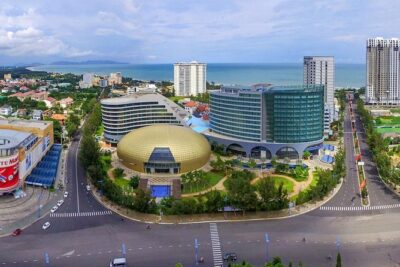
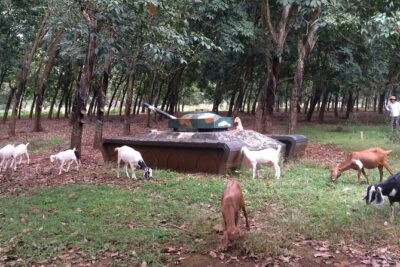
Australian Base, Long Tan & Nui Dat Tour with Vung Tau Beach
Read our review →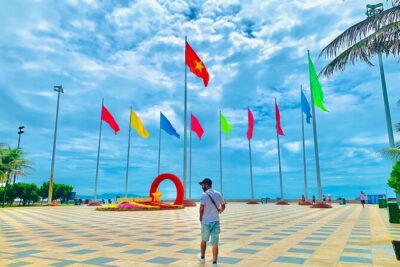

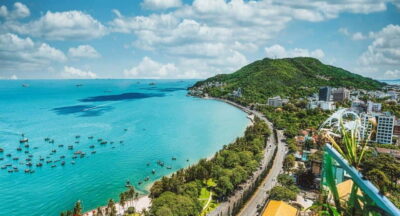
Vung Tau Beach Full Day Trip From Ho Chi Minh City
Read our review →Browse the lists this tour appears in