
Reviewed · HISTORICAL TOURS
Ho Chi Minh City Private City Tour – History, Culture, Local Life
Ho Chi Minh City reveals itself in layers on this private tour: war history beside French colonial buildings, Buddhist temples beside modern cafés, and quiet neighborhood streets just minutes from the main sights. The most striking stop is the secret weapon cellar, a small wartime site that gives you a more personal sense of how the city functioned during the conflict.
I like the flexible pace and the chance to choose your transport. I also like the mix of major sights and everyday places, from the Central Post Office and Independence Palace to a flower market and old apartment buildings. The main drawback is time: four hours is enough for an introduction, but not enough to explore every stop in depth.
Key points to know
- War history comes first: The War Remnants Museum and Thích Quảng Đức Monument provide serious context for the city and Vietnam’s recent past.
- A private guide keeps the pace flexible: You can spend more time on history, stop for coffee, or adjust the route to suit your interests.
- The secret weapon cellar adds a rare local detail: This small site connects the city’s ordinary streets with the 1968 Tet period.
- Transport can match your style: The tour may operate by car, jeep, motorbike, cyclo, or on foot.
- The route mixes famous sights with daily life: Expect colonial architecture, Chinatown, local apartments, a temple, and a flower market.
- The price is strong for a private introduction: At $31.57 per person, the value depends on your group size and whether you want private transport.
A four-hour introduction to Saigon’s many sides
Ho Chi Minh City can feel like several cities at once. District 1 brings grand colonial buildings, business towers, cafés, and the busy Nguyễn Huệ Walking Street. District 3 offers older apartment blocks and quieter corners. Chinatown brings Chinese religious traditions, markets, and temples.
This tour links those areas without asking you to plan the route yourself. You get an English-speaking local guide, private transportation, and hotel pickup and drop-off within Districts 1, 3, and 4. For a first day in the city, that structure can save time and help you understand what you want to revisit later.
The tour lasts about four hours. That makes it useful for a first morning, a free afternoon, or a stopover when you want a broad look at central Ho Chi Minh City without committing to a full-day outing. Since it is private, you are not tied to the pace of a large group.
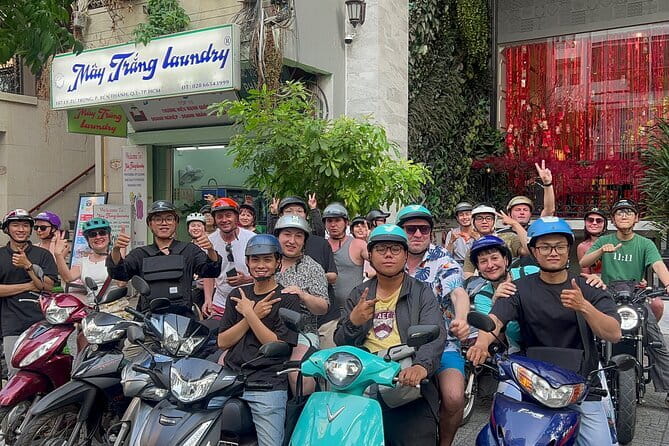
You can also select the style of transport. A car or jeep gives you more shelter from traffic and weather. A motorbike offers a closer feel for city streets, while a cyclo or walking route may suit you if you want to move more slowly. The exact arrangement should be confirmed when booking, especially if you have a strong preference.
More history days around Ho Chi Minh City:
- From Ho Chi Minh: Cu Chi Tunnels Half-Day History Tour with Guide
★ 5.0 · 480 reviews - Saigon Afternoon City Historical Scooter Tour |Opt: Ao Dai Riders
★ 5.0 · 466 reviews - Saigon Unseen, History, & Hidden Gems Sightseeing Motorbike Tour
★ 5.0 · 416 reviews
The War Remnants Museum puts the city’s past first
The War Remnants Museum is the most serious stop on the route. It uses photographs, objects, and personal stories to present Vietnam’s modern history, especially the effects of the war on Vietnamese people.
You receive about 30 minutes here, and the entrance ticket is not included. The listed admission cost is 40,000 Vietnamese dong. The museum is closed after 5 p.m., so timing matters. If your tour starts late in the day, check that this stop can still fit.
Thirty minutes gives you a focused introduction rather than a full museum visit. I would use the time to listen closely to your guide and select a few displays that you can return to later if your schedule allows. The subject matter is difficult, and the museum is not a light sightseeing stop. Still, it gives the rest of the tour a stronger setting. After seeing the city’s cafés, boulevards, and commercial streets, you have a clearer sense of the events that shaped modern Vietnam.
The museum is also where the private format helps. You can ask questions without holding up a large group. If you prefer a slower museum visit, tell the guide early, since the four-hour schedule includes several other stops.
Colonial landmarks around the Central Post Office
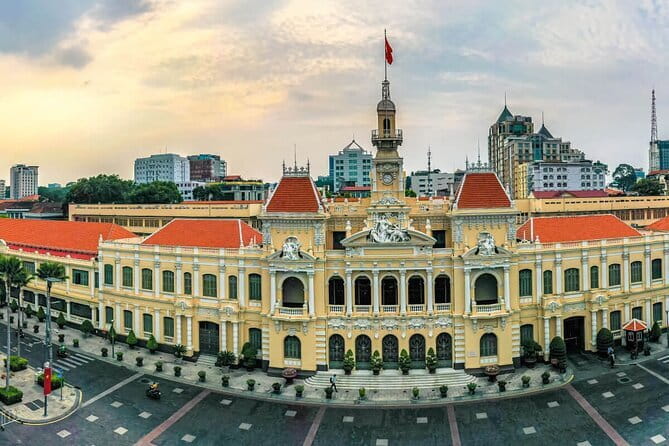
The Central Post Office is one of Ho Chi Minh City’s best-known French-era buildings. It sits near Notre-Dame Cathedral and gives you an easy visual reminder of the city’s period under French Indochina.
The stop is useful even if you are mainly interested in local life. The building connects to the city’s public past, when postal services and grand civic architecture helped shape the downtown area. It also makes a good contrast with the wartime sites earlier in the tour.
The nearby Notre-Dame Cathedral is part of the same central cluster. The tour includes a look at this area, though the itinerary does not promise a full interior visit. Restoration or access can vary, so treat it as an architectural stop rather than planning your day around entering the cathedral.
You will also pass the Saigon Opera House. This is a colonial-era building with an elegant exterior, but it is a pass-by stop rather than a performance visit. The same applies to City Hall and several other central landmarks. That is a sensible use of time on a four-hour route, but you should know the difference between seeing a building from outside and touring it.
Independence Palace gives the route a political center
Independence Palace, also known as the Reunification Convention Hall, is one of the key political landmarks in Ho Chi Minh City. It was designed by architect Ngô Viết Thụ and served as the home and workplace of the president of the Republic of Vietnam.
The tour includes the palace area, and an entrance ticket costs 40,000 Vietnamese dong if you go inside. That fee is separate from the tour price. If you want to see the interior, allow enough time for it, since the route also includes the museum, temple, and neighborhood stops.
I find this an important choice for you to make before the tour begins. The palace is valuable for its political and architectural meaning, but entering it may reduce time at other stops. If you prefer a fast first look at the city, an exterior visit may be enough. If modern Vietnamese history is your main interest, paying for entry could be worthwhile.
A few more Ho Chi Minh City half-days and evenings to weigh up
- Private Street Food Tour by Motorbike/Car with Local Students
★ 5.0 · 3,950 reviews - Private Street Food Evening Walking Tour in Ho Chi Minh City
★ 5.0 · 3,175 reviews - Private Street Food Motorbike Tour in Ho Chi Minh City
★ 5.0 · 2,180 reviews - Cu Chi Ben Duoc Tunnels Tour (max 12 people) with Private Option
★ 5.0 · 1,885 reviews
Thích Quảng Đức Monument adds a human story

The Thích Quảng Đức Monument marks the place associated with the Buddhist monk who died by self-immolation at a busy Saigon intersection on June 11, 1963. He was protesting the persecution of Buddhists by South Vietnam’s government.
You spend about 15 minutes here, with no admission fee. It is a short stop, but not a casual photo opportunity. The monument asks you to pause and consider the political and religious tensions that existed before the main period covered by many war museums.
This is one of the places where a local guide can add real value. A monument beside a busy road can be easy to pass without understanding. With context, the site becomes part of a larger story about faith, protest, government power, and public memory.
The surroundings are still part of modern city life, so the contrast can feel sharp. Traffic continues, people go about their errands, and the monument occupies a small space in an ordinary urban setting. That contrast is part of what makes the stop effective.
A secret weapon cellar beneath an ordinary city
The Hầm Vũ Khí Bí Mật Secret Weapon Cellar is one of the more unusual stops. It relates to the Tet period of 1968 and shows how weapons were stored in a concealed urban location.
You spend about 15 minutes here, and admission is free. The visit is brief, but the site gives you something the grand museums cannot: a sense of wartime activity hidden inside the everyday city.
I like this stop because it changes how you look at the streets outside. Ho Chi Minh City is full of shops, homes, offices, and small lanes. A secret cellar reminds you that wartime history did not happen only in distant battlefields. It also unfolded under ordinary buildings and along familiar roads.
Because the stop is small and short, it works best as part of the wider route. Do not expect a long museum visit or a large underground complex. Expect a compact historical site that gains importance from its location and explanation.
Nguyễn Huệ Street and the Café Apartment
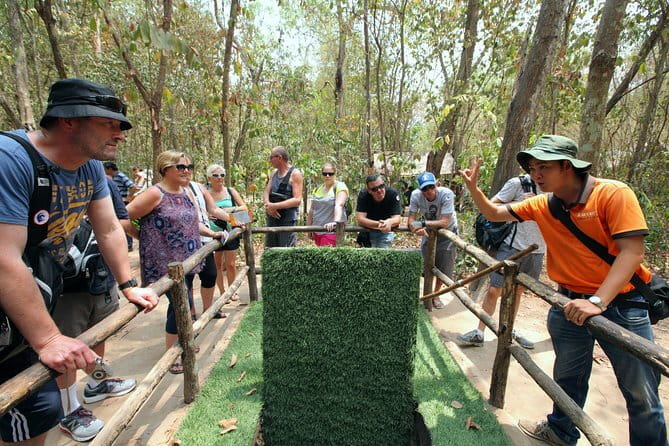
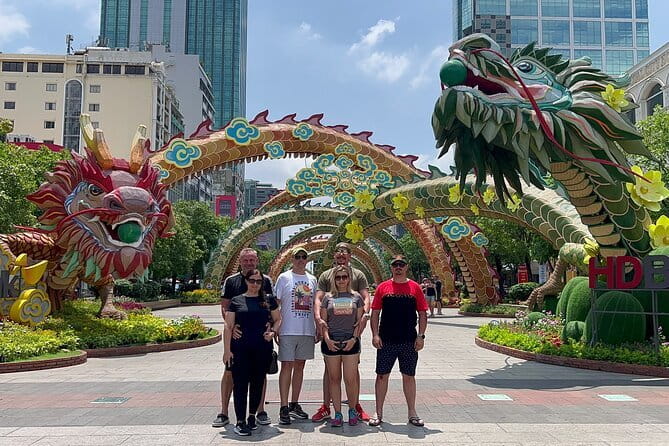
Nguyễn Huệ Walking Street is one of the city center’s main public spaces. The boulevard has changed over time and now serves as a popular place for walking and city life.
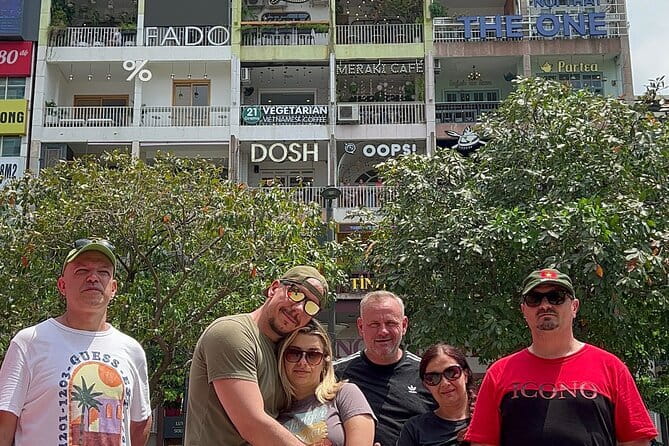
The tour also passes the Café Apartment, an older apartment building known for its small cafés and businesses. These stops show a different side of Ho Chi Minh City from the museums and colonial landmarks. You get to see how older buildings are reused within a fast-changing downtown.
Since the tour is private, you can ask the guide to explain what you are seeing instead of simply passing through. The route may not include a long café break, though the experience can be adjusted. One useful lesson from the tour’s flexible format is that the schedule does not have to become a race. If coffee matters more to you than another quick photo stop, say so.
Nguyễn Thiện Thuật brings you closer to neighborhood life

The Nguyễn Thiện Thuật apartment buildings are a complex of older American-built structures in District 3. They sit along Nguyễn Thiện Thuật Street and offer a look at residential Ho Chi Minh City beyond the polished center.
This is the kind of stop that makes the tour feel less like a checklist. You see the city as a place where people live, work, shop, and adapt older buildings for present needs. The architecture may not have the grand scale of the Central Post Office, but it offers a more ordinary and useful view of the city.
The route description gives limited detail about how long you spend here, so expect a neighborhood look rather than a formal building tour. That is fine. The value comes from seeing a part of District 3 that many short sightseeing routes skip.
Chùa Vạn Phật and Chinatown’s spiritual traditions
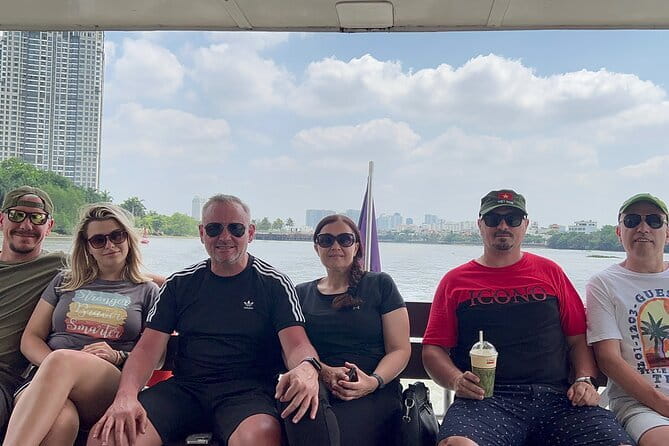
Chùa Vạn Phật, or the Temple of Ten Thousand Buddhas, brings religious life and Chinese cultural influence into the route. You spend about 30 minutes here, and admission is free.
This is a good counterweight to the political and war-history stops. The city is not only defined by events from the twentieth century. Temples, religious practice, and Chinese cultural traditions continue to shape how parts of Ho Chi Minh City look and feel.
Use the time to observe the space quietly and let the guide explain what you are seeing. The itinerary identifies it as a pagoda or temple in Chinatown, so the exact focus may depend on the day’s route. Dress and behavior should be respectful at any religious site, even though no special clothing rule is provided in the tour information.
For me, this stop helps prevent the tour from becoming a sequence of historical buildings. It adds a spiritual and cultural layer without requiring a separate half-day visit to Chinatown.
The flower market ends the route with daily life
The flower market is a simple but effective final stop. Instead of another landmark, you watch ordinary commerce and local routines.
The market gives you a chance to see color, movement, and work in a setting that is more practical than polished. The tour information does not identify the market by name or promise a particular market schedule, so treat it as a local-life stop rather than a guaranteed shopping experience.
This is also a useful place to ask your guide what to buy, how flowers move through the city, or which markets you might visit later. Since the route is private, your questions can shape the final part of the outing.
What the private format is worth at $31.57
At $31.57 per person, this is a strong price for a four-hour private tour if you are sharing it with one or more people. You receive a guide, private transportation, and pickup and drop-off in Districts 1, 3, or 4. Group discounts are also listed, so the value may improve as your party grows.
You still need to pay for the War Remnants Museum and Independence Palace if you enter them. The listed costs are 40,000 Vietnamese dong for each site. Tips and holiday surcharges are not included.
The price makes the most sense if you want a structured first look without joining a large group. A private guide can adjust the pace, explain sensitive historical sites, and help you decide where to spend your limited time. If you prefer to wander alone or visit only one museum, you may find a self-guided day cheaper.
The tour is especially useful for first-time visitors who want context quickly. It can also suit someone arriving early and waiting for hotel check-in. The guide can adjust the morning to include coffee, food, and a slower start rather than forcing every scheduled stop. That flexibility is a real benefit, but it depends on communicating your needs clearly.
Timing, pickup, and transport choices
Pickup and drop-off are included for hotels in Districts 1, 3, and 4. If you stay elsewhere, confirm the meeting arrangement before booking. The tour is near public transportation, but private pickup is limited to the listed districts.
You can choose among motorbike, jeep, car, walking, and cyclo options. The best choice depends on what you want from the outing. A car is likely the most practical if you want shelter and easy movement between distant stops. A motorbike or cyclo gives you a closer street-level view, while walking suits a shorter route or a cooler part of the day.
The tour is offered as a private activity, so only your group participates. Confirmation is provided at booking, and most people can take part according to the supplied information. No special accessibility details are provided, so ask ahead if you need specific assistance.
The experience is booked, on average, 49 days in advance. That figure suggests planning ahead can be sensible, especially if you want a particular date, vehicle, or pickup time. Still, the booking information does not promise a set guide name or a fixed vehicle for every departure.
Who should book this Ho Chi Minh City tour?
I would recommend this tour to a first-time visitor who wants history, architecture, religion, and local streets in one compact outing. It is also a good fit if you value a private guide and want the freedom to slow down for coffee or spend longer on a subject that interests you.
It suits couples, families, and small groups who want private transportation rather than a fixed large-group schedule. The four-hour length works well for a first day in town, an early arrival, or a short visit.
I would be more cautious if you want a deep museum visit, a full Chinatown exploration, or extended time inside Independence Palace. The route covers many places, but several are pass-by stops or short visits. You will get breadth, not a long examination of every site.
Should you book it?
Book this tour if you want a well-priced private orientation to Ho Chi Minh City, especially if the combination of war history and ordinary neighborhood life appeals to you. The War Remnants Museum, Thích Quảng Đức Monument, secret weapon cellar, Temple of Ten Thousand Buddhas, and flower market give the route more substance than a simple drive past famous buildings.
Before you confirm, decide which stops matter most. Ask for extra museum time if modern history is your priority, or request a slower pace if coffee and local streets matter more. Free cancellation is available when you cancel at least 24 hours before the start time, while cancellations or changes inside that window are not refunded.
FAQ
How long does the Ho Chi Minh City private tour last?
The tour lasts approximately four hours.
What is the price of the tour?
The listed price is $31.57 per person. Group discounts are available.
Is hotel pickup included?
Pickup and drop-off are included for hotels in Districts 1, 3, and 4.
Is the tour private?
Yes. Only your group participates in the activity.
What transport options are available?
The tour can operate by motorbike, jeep, car, walking, or cyclo. The experience is customizable.
Are entrance tickets included?
No. The War Remnants Museum ticket and Independence Palace ticket are not included. Each is listed at 40,000 Vietnamese dong.
What time does the War Remnants Museum close?
The museum closes after 5 p.m. The stop itself is planned for about 30 minutes.
Can I cancel for a refund?
Yes. You can receive a full refund if you cancel at least 24 hours before the experience starts. Cancellations or changes made less than 24 hours before the start time are not refunded.
Newest Ho Chi Minh City write-ups
- Water Puppet Show And Dinner Cruise On Saigon River Tour★ 4.0 · 6 reviews
- VIP Tour Authentic Mekong Delta & Local pagoda by SpeedBoat★ 4.6 · 5 reviews
- Vung Tau Beach Full Day Trip From Ho Chi Minh City★ 4.4 · 13 reviews
- Off The Beaten Track The Mekong By Bike,boat & Kayak Day Trip★ 5.0 · 4 reviews
- Private Luxury Tour Mekong Delta 1 day★ 5.0 · 3 reviews
- VIP Tour Enjoy Romantic Sunset by Speed Boat Free Cocktail★ 4.8 · 13 reviews
- Mekong Delta 2 Days 1 Night Small Group Homestay★ 5.0 · 37 reviews
- Mekong Delta from Phu My Cruise Harbor★ 5.0 · 6 reviews
Historical Tours, compared.

Cu Chi Tunnels Half-Day History Tour with Guide
Read our review →
Saigon Afternoon City Historical Scooter Tour |Opt: Ao Dai Riders
Read our review →
Saigon Unseen, History, & Hidden Gems Sightseeing Motorbike Tour
Read our review →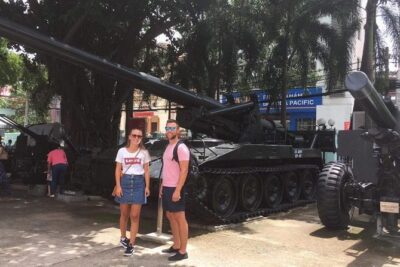
Saigon Morning City Historical Scooter Tour w Ao Dai Rider option
Read our review →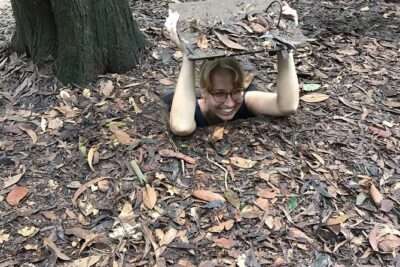
6 Hours Historical Tour in Cu Chi Tunnel with Free Snack
Read our review →
Vung Tau Essential: Beach, Christ Statue & Colonial Heritage
Read our review →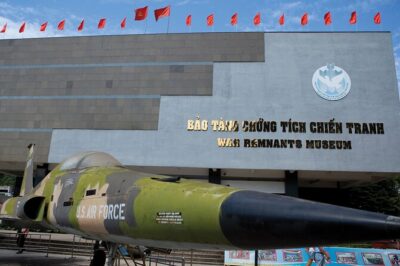
Full-Day Ho Chi Minh City Tour with Colonial Heritage & Chinatown
Read our review →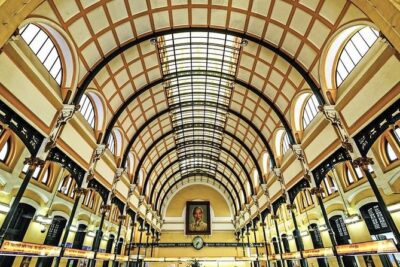
Browse the lists this tour appears in