
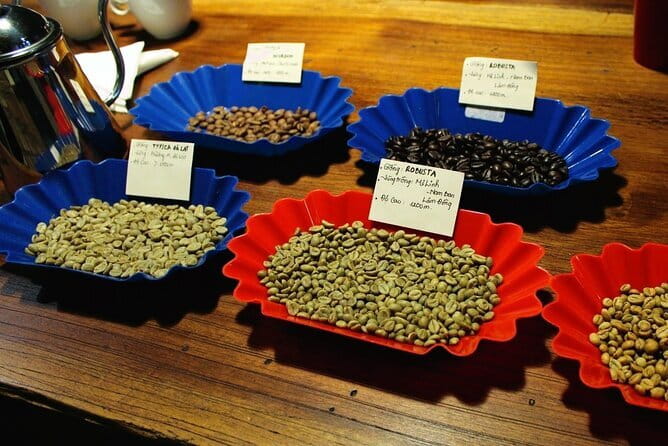
Reviewed · WORKSHOPS
Hands-on making 3 Iconic Coffees of South Central North Vietnam
Vietnamese coffee is more than strong coffee poured over ice. In this compact workshop, Quynh connects four drinks with the character of South, Central, and North Vietnam. I like that you do the making yourself, including a side-by-side comparison between correctly brewed phin coffee and a deliberately incorrect version.
I also like the setting and scale. The session takes place in an attic workshop near the center of Ho Chi Minh City, with no more than six people, so Quynh can explain the ingredients and adjust the methods to your taste. The main drawback is the short length: 90 minutes goes quickly, especially if you want a long coffee chat or time to explore broader Vietnamese food culture.
Key points at a glance
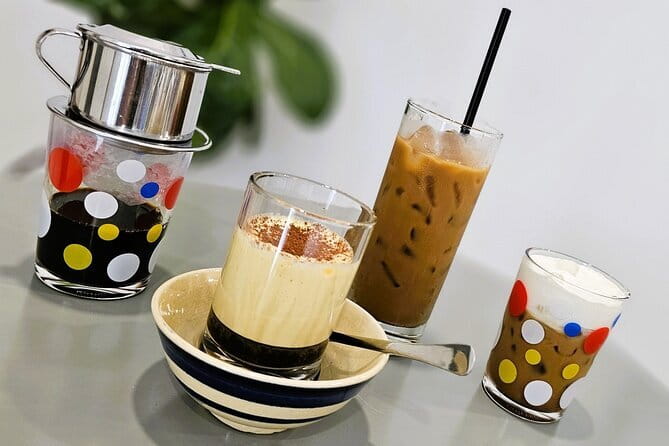
- Four hands-on drinks: Make phin coffee, condensed-milk coffee, salted cream coffee, and Hanoi egg coffee.
- Regional stories: Learn how coffee habits reflect life in South, Central, and North Vietnam.
- A useful taste lesson: Compare coffee made correctly with a deliberately wrong sample.
- Small-group format: The maximum group size is six people.
- Central Ho Chi Minh City location: Meet at 27 Ngô Đức Kế in District 1 and finish at the same place.
- Good value for curious coffee drinkers: At $21.69, the session combines instruction, ingredients, equipment, snacks, and cultural context.
Four coffees, three regions, one compact lesson

The clever idea here is to use coffee as a way to read Vietnam. The country stretches about 1,650 kilometers from north to south, and its food and drink habits change along the way. Quynh uses coffee to explain those differences without turning the class into a dry history lecture.
You begin with a short introduction to Vietnamese coffee culture. The details supplied for the session do not promise a long formal lecture, and that is probably a benefit. The focus stays on what is in front of you: coffee, brewing tools, sweeteners, cream, and the choices that turn basic ingredients into familiar local drinks.
Quynh brings 16 years of food and beverage experience to the workshop. His role is not simply to hand you a finished cup. He explains the ingredients, demonstrates the process, and lets you practice. That makes the class useful after you leave, since you can try to repeat the drinks at home.
The included food and equipment keep the activity simple. Coffee, tea, ingredients, brewing tools, and some Vietnamese cashews are provided. One session also included banh mi prepared by Quynh, but that is not listed as a standard inclusion, so I would not book this activity expecting a full snack course.
More hands-on workshops in Ho Chi Minh City:
- Cai Be Mekong Delta Tour: Cooking Class, Cycling & Craft Villages
★ 5.0 · 1,881 reviews - Chef Vu Cooking Class Plus Market Trip in Saigon Center (Pick up by Cyclo)
★ 5.0 · 477 reviews - Immersive Cooking Class & Wet Market Tour by Local Chef +Cookbook
★ 5.0 · 367 reviews
Starting with the phin and learning from the wrong cup
The Vietnamese phin is the foundation of the experience. This small metal filter sits over a cup and produces coffee slowly, with a method that rewards patience and the right pressure. If you have only seen Vietnamese coffee poured from a machine, this is the part that gives you a practical new skill.
Quynh shows you the correct way to make pure phin coffee. At the same time, he makes a wrong sample so you can compare the results. That is a particularly useful teaching method. Instead of hearing a list of rules, you taste the effect of a poor technique beside the better one.
The comparison also helps you understand that Vietnamese coffee is not automatically meant to taste harsh. Brewing time, the amount of coffee, and the way the filter is handled all affect the cup. The activity description says Quynh explains how to adjust the finished drinks to suit your tastes and moods, so you are encouraged to pay attention to your own preferences.
This section will suit anyone who wants more than a photo of a traditional coffee setup. You leave with a clearer sense of what the phin is doing and why the final drink tastes the way it does.
Saigon coffee with condensed milk
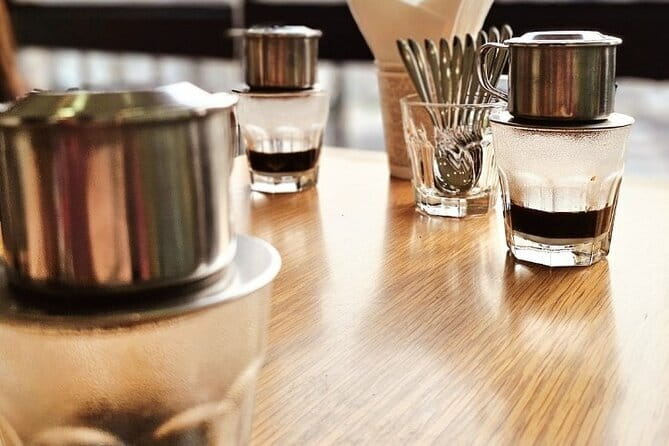
Next comes the famous Vietnamese coffee with condensed milk, closely linked here with Saigon and South Vietnam. It is the drink many people first associate with Vietnam: bold coffee balanced by thick sweetness, often served cold.
The value of this part is the explanation behind the combination. Quynh talks through the ingredients and the story of how the drink reflects the southern city’s tastes and way of life. The point is not just that condensed milk makes coffee sweet. It is that the ingredient combination has become part of Saigon’s everyday identity.
You make the drink yourself rather than watching from the side. That matters because the balance can be changed. A little more or less condensed milk makes a noticeable difference, and the workshop gives you a chance to work out where your preference lies.
I would especially recommend this section to people who normally avoid sweet coffee. You can taste the drink in context and learn how the strong coffee and milk are meant to work together. If you already drink Vietnamese iced coffee every morning, the historical and regional explanation may be more valuable than the recipe itself.
The class does not appear to be a full café crawl, so do not expect to visit several coffee shops around Saigon. Instead, you get a focused look at one important southern style in a controlled setting.
Central Vietnam’s salted cream coffee
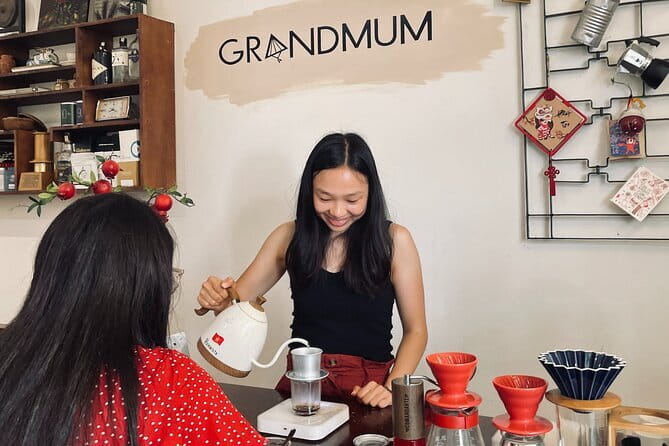
The third style is modern salted cream coffee from Central Vietnam. This is the most contemporary drink in the session and gives the workshop a useful change of pace after the traditional phin and condensed-milk versions.
Quynh explains the ingredients and the tricks behind the cream. The salt is not there to make the drink taste salty in the usual sense. Its role is to change the balance of sweetness and bitterness, while the cream adds a softer texture. The hands-on method lets you see how small ingredient changes affect the result.
This drink also widens the picture of Vietnamese coffee. Coffee culture here is not frozen in one old recipe. New combinations have developed alongside older brewing habits, and salted cream coffee shows how regional styles continue to change.
I like that the class puts the Central Vietnamese drink beside the southern and northern examples. You can compare the drinks directly instead of trying to remember them from separate café visits. The limitation is that the supplied information does not name a specific Central Vietnamese city or café associated with the recipe, so the cultural explanation remains broad rather than highly local.
Still, this is likely the most useful part for anyone interested in current Vietnamese café trends. It shows how a familiar drink can be reworked without abandoning the strong coffee base.
A completely different sort of day out of Ho Chi Minh City:
- Cu Chi Tunnels Tour from HCM City – Morning or Afternoon
★ 5.0 · 15,833 reviews - From HCM City: Mekong Delta Tour with Sampan Journey
★ 4.5 · 13,132 reviews - Ho Chi Minh City Street Food Tour & Sightseeing By Motorbike
★ 5.0 · 9,413 reviews - HCM: Cu Chi Tunnels-Tapioca Small Group Tour Morning or Afternoon
★ 5.0 · 7,485 reviews
Hanoi egg coffee and the character of the capital
The final major recipe is Hanoi egg coffee, one of Vietnam’s most unusual coffee drinks. It combines coffee with a whipped egg mixture, creating a cup that is richer and more dessert-like than the southern iced style.
Quynh explains how to make it and how Hanoi’s character is represented through the drink. The supplied details do not specify every preparation step, so you should expect a demonstration and hands-on practice rather than a full professional pastry lesson. The emphasis is on the drink’s ingredients, story, and place in Vietnamese coffee culture.
Egg coffee is a good finish because it challenges easy assumptions about what coffee should be. After making a strong phin brew and a sweet southern iced coffee, you encounter a recipe that uses a completely different texture. It also gives the north a clear place in the three-region comparison.
I would not choose this class only because you want a guaranteed dessert. The main purpose is cultural and practical, and the final taste may not suit everyone. But if you enjoy unusual drinks or want a recipe that will make an impression when you return home, this is one of the strongest reasons to attend.
Quynh’s teaching style and the attic workshop
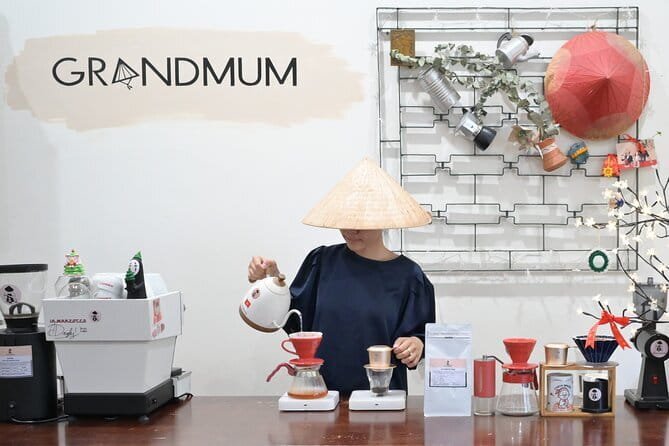
Quynh, the host behind Vietnam Coffee Journey, is central to the experience. His background includes 16 years in food and beverage, and he brings a clear interest in history and culture to the coffee lesson.
The best part of his approach is the storytelling. He uses the drinks to explain regional preferences, situations, and daily habits. That gives the class a stronger sense of purpose than a standard recipe demonstration.
The workshop itself is described as an attic space with tables and coffee accessories laid out for the session. That sounds more like a small working studio than a polished tourist attraction. For me, that is a plus. You are there to handle the tools, spill a little coffee if necessary, and focus on the process.
The maximum group size is six. That is small enough for direct questions and individual help, while still allowing a social class. The format may not suit you if you prefer a large, energetic group or a stage-style demonstration, but most people who want to practice will benefit from the smaller setup.
One useful practical point: Quynh can be contacted through WhatsApp at +84 37 913 2333. Since the meeting point is in central District 1, it is worth confirming the exact meeting details if you have trouble locating the workshop.
What the $21.69 price really covers
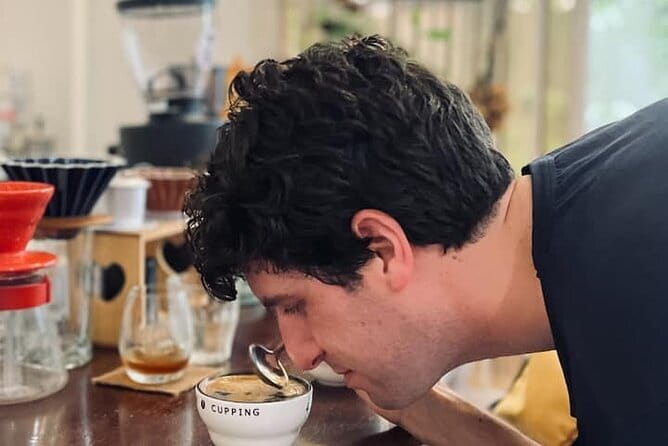
At $21.69 per person, this is a fair price for a 90-minute food activity in central Ho Chi Minh City. You are not paying only for four cups of coffee. The fee includes the ingredients, equipment, instruction, coffee or tea, and cashew snacks.
The stronger value comes from the teaching. You learn methods you can repeat, and you get a framework for understanding why the drinks differ. A café visit may cost less, but it will not normally show you how to brew the coffee, compare a correct and incorrect method, or explain the regional connections.
The short duration keeps the cost manageable, but it also sets a limit. You should think of this as a focused workshop, not a complete introduction to Vietnamese cuisine or coffee production. If you want farm visits, roasting information, a city tour, or several hours of food tasting, you will need another experience.
The location adds practical value. Starting and ending at 27 Ngô Đức Kế, Bến Nghé, District 1, makes it easy to fit the class into a day in central Ho Chi Minh City. You do not need to arrange separate transport between several stops.
Who should book this coffee workshop
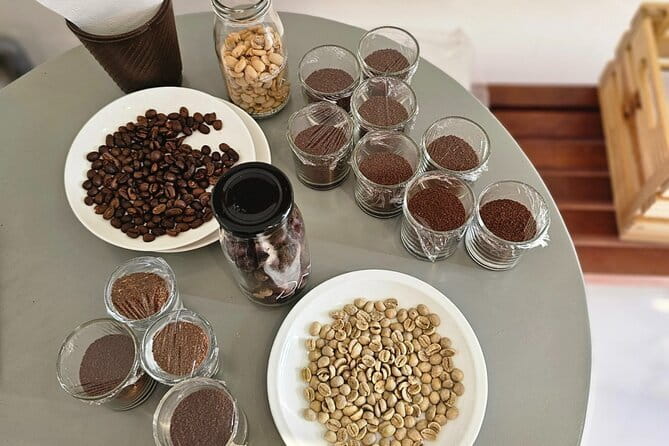
I would choose this for coffee drinkers who want context with their cup. It works especially well for first-time visitors who want a clear introduction to Vietnam’s regional differences without committing to a long tour.
It also suits couples, friends, and small groups who enjoy making things together. The six-person limit means you should have room to ask questions and get help with the brewing steps.
You may want to skip it if you dislike sweet drinks, cream, or unusual coffee combinations. The session includes southern condensed-milk coffee, Central Vietnamese salted cream coffee, and Hanoi egg coffee, so it is designed for comparison rather than for people seeking only black coffee.
It is also not the right choice if your main goal is to visit cafés across the city. Everything begins and ends at the same central meeting point, and the listed session lasts about an hour and a half.
The experience is mobile-ticket friendly, confirmation is provided at booking, service animals are allowed, and the meeting point is near public transportation. Free cancellation is available if you cancel at least 24 hours before the local start time. Changes or cancellations inside that window are not accepted for a refund.
Should you book Vietnam Coffee Journey?
Book it if you want to understand Vietnamese coffee by making it, tasting it, and hearing the story behind each style. The strongest features are the hands-on format, Quynh’s regional explanations, the side-by-side wrong and correct phin demonstration, and the small group.
At $21.69, it is good value for a practical cultural lesson in central Ho Chi Minh City. Just keep your expectations precise: this is a compact workshop, not a full city food tour or coffee-production visit.
If you have time for only one coffee activity in Saigon, this is a sensible pick for a curious beginner. You will leave with four drink styles in your memory, a better grasp of the phin, and a clearer idea of how South, Central, and North Vietnam can express themselves through coffee.
FAQ
Where does the coffee workshop start?
It starts at 27 Ngô Đức Kế, Bến Nghé, District 1, Ho Chi Minh City, Vietnam.
Where does the activity finish?
The session ends back at the same meeting point.
How long does the experience last?
The workshop lasts approximately 1 hour and 30 minutes.
How many people can join?
The activity has a maximum of six participants.
What coffees will I make?
You will make pure phin coffee, Vietnamese coffee with condensed milk, Central Vietnam salted cream coffee, and Hanoi egg coffee.
Are ingredients and equipment included?
Yes. The coffee or tea, ingredients, and equipment needed for the drinks are provided.
Is food included?
Some Vietnamese cashew nuts are included. Banh mi was prepared during one session, but it is not listed as a standard inclusion.
Is the activity suitable for service animals?
Yes. Service animals are allowed.
Can I cancel for a full refund?
Yes, if you cancel at least 24 hours before the experience start time. Cancellations or changes made less than 24 hours before the start time are not accepted for a refund.
Newest Ho Chi Minh City write-ups
- VIP Tour Authentic Mekong Delta & Local pagoda by SpeedBoat★ 4.6 · 5 reviews
- Vung Tau Beach Full Day Trip From Ho Chi Minh City★ 4.4 · 13 reviews
- Water Puppet Show And Dinner Cruise On Saigon River Tour★ 4.0 · 6 reviews
- Private Luxury Tour Mekong Delta 1 day★ 5.0 · 3 reviews
- VIP Tour Enjoy Romantic Sunset by Speed Boat Free Cocktail★ 4.8 · 13 reviews
- Off The Beaten Track The Mekong By Bike,boat & Kayak Day Trip★ 5.0 · 4 reviews
- Mekong Delta 2 Days 1 Night Small Group Homestay★ 5.0 · 37 reviews
- Mekong Delta from Phu My Cruise Harbor★ 5.0 · 6 reviews
Workshops, compared.
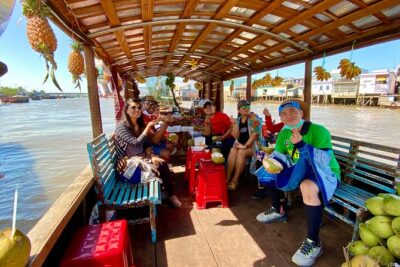
Cai Be Mekong Delta Tour: Cooking Class, Cycling & Craft Villages
Read our review →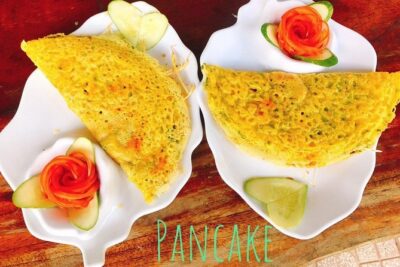
Chef Vu Cooking Class Plus Market Trip in Saigon Center (Pick up by Cyclo)
Read our review →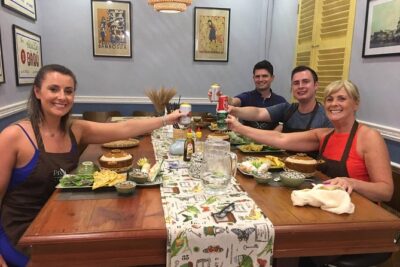
Immersive Cooking Class & Wet Market Tour by Local Chef +Cookbook
Read our review →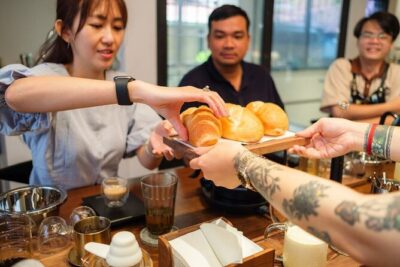
Fun & Easy Vietnamese Coffee Workshop in Hồ Chí Minh City
Read our review →
Small-group 2-Day Mekong Delta: Floating market, Cooking Class…
Read our review →
Authentic Vietnamese Cooking Class with Market Visit in HCMc
Read our review →
Decadent Vietnamese “Egg Coffee” Workshop in Hồ Chí Minh City
Read our review →
Experience half-day cooking class with market visit
Read our review →Browse the lists this tour appears in