
Reviewed · WORKSHOPS
Bean to bar Chocolate Workshop in Ho Chi Minh City
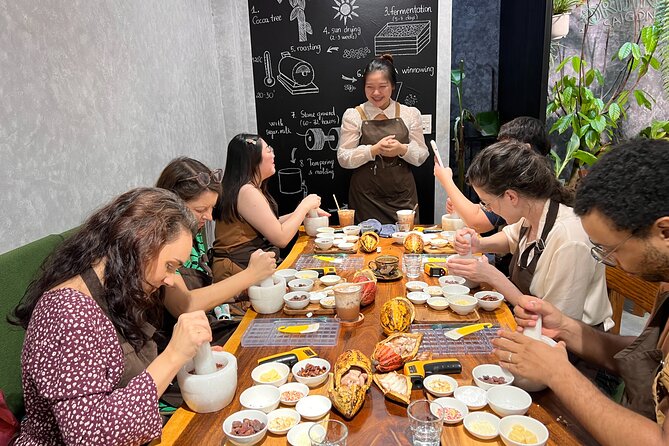
The best part of this Ho Chi Minh City class is that you start with the cacao itself, not a tidy tray of ready-made chocolate. You taste fresh cacao, husk beans, grind them with a granite mortar, then shape and decorate bars to take home. I like the hands-on route from pod to bar and the use of local Vietnamese ingredients.
I also like the small group limit of 10, the included hot or iced chocolate drink, and the fact that you leave with two decorated bars. The main consideration is the hand-grinding: it can be tiring, especially for children, so this class is a better fit for ages 8 and up than for very young kids.
Key points at a glance
- Fresh cacao tasting: Start by tasting cacao straight from the fruit before it becomes chocolate.
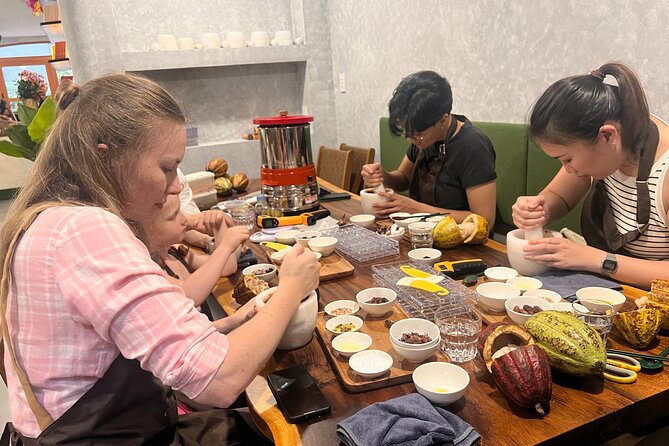
- Traditional granite grinding: Turn cacao beans into paste by hand, an engaging but tiring part of the class.
- Vietnamese chocolate focus: Learn how local cacao and ingredients such as cane sugar and cacao butter become chocolate.
- Two decorated bars to take home: Make, shape, wrap, and personalize your own chocolate.
- A drink is included: Choose a hot or iced chocolate during the session.
- Compact District 1 location: Meet at 89/14 Hàm Nghi, with the class lasting about two hours.
From fresh cacao pod to finished chocolate
This workshop gives you a useful change of pace from pagodas, markets, and city streets. For about two hours, you work through the basic stages of chocolate production at Ban Cacao, a Vietnamese chocolate maker in District 1.
The class begins with an explanation of the pods-to-bars process and the story of cacao in Vietnam. That opening matters because it gives you a frame for everything that follows. You are not simply melting chocolate and pouring it into a mold. You see how the raw material changes as it is opened, cleaned, ground, mixed, shaped, and wrapped.
The class also explains how Vietnamese makers use local ingredients. The listed materials include fresh cacao fruits, cacao beans, cacao nibs, cacao butter, and cane sugar. You get to handle several forms of cacao, which makes the process easier to understand than a talk alone.
I especially like the order of the workshop. Each stage builds on the one before it, so the finished bar feels earned. You begin with something that looks like a fruit and end with a product you can wrap and carry away.
A few more Ho Chi Minh City half-days and evenings to weigh up
- Cu Chi Luxury Group Tour – Tapioca and Cake Half Day
★ 5.0 · 3,375 reviews - Mekong Delta 4 Islands, TukTuk, Boat, Try Khot Cake Local Cooking
★ 5.0 · 1,148 reviews - HCM: Authentic Mekong Delta – Boat, TukTuk, Khot Cake Making
★ 4.7 · 380 reviews
Tasting the cacao before it becomes chocolate
One of the more unusual parts is tasting fresh cacao pods. Most people know chocolate in its finished form, but far fewer have tasted cacao at the fruit stage.
This step helps you understand that chocolate does not begin as a sweet, smooth candy. The fresh fruit gives you a direct connection to the raw ingredient, before grinding, sugar, and cacao butter change its texture and flavor.
You then work with cacao beans and cacao nibs. The workshop includes husking your own beans, which gives you a simple but useful look at one of the early preparation stages. It is a small task, but it turns the process into something physical. You are not just watching someone else handle the ingredients.
The class is not designed as a professional chocolate-making course. It is a practical introduction for curious visitors who want to understand the basics and make something themselves. That distinction helps set the right expectation. You will learn the sequence and try the main tasks, but the session is short enough to remain light and approachable.
The granite mortar is the real hands-on test
The most traditional part of the experience is making cacao paste with a granite stone mortar. This gives the workshop some character. Instead of relying only on modern equipment, you get a sense of how cacao can be worked by hand.
It is also the part that requires the most effort. Grinding takes time and muscle, and the work can become tiring. That is worth knowing before you book, especially if you are planning the class with a child.
An 8-year-old can take part, according to the family experience described for this class, but the grinding may be demanding. I would treat the activity as a shared job for families, with adults ready to help. For older children, the physical work may be exactly what makes the class memorable.
The mortar also adds useful context. Chocolate production can look effortless once you see a polished bar in a shop. Grinding your own paste shows that texture and consistency come from work, not magic. It is a modest lesson, but an honest one.
Making and decorating your own bars
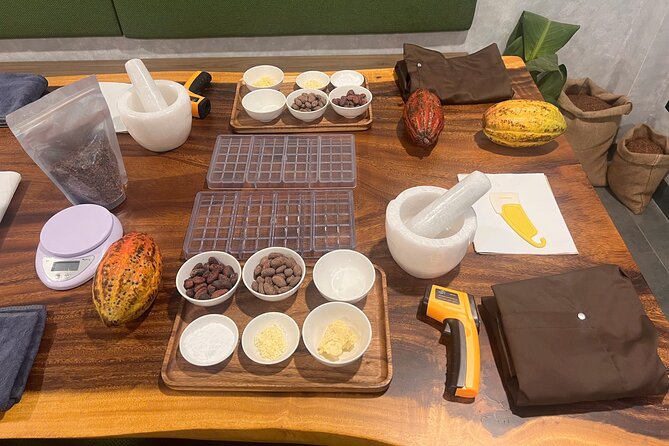
After the early preparation, you move toward the finished chocolate bar. The class provides a thermometer, scale, chocolate mold, and wrapping paper. These tools let you take part in several steps rather than stopping after the tasting.
The scale and thermometer are practical details. They show that chocolate making depends on measured ingredients and controlled temperature, not just on mixing everything together. You get a basic look at the care needed to produce a stable bar.
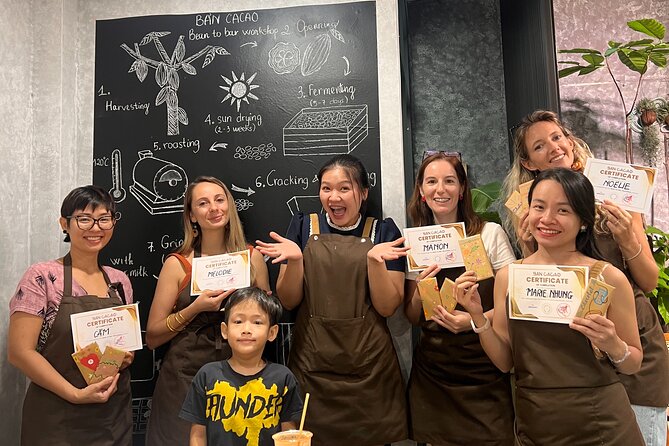
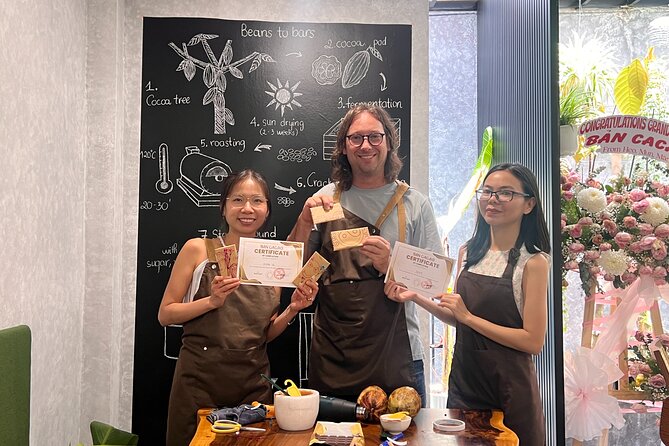
You then use the mold to shape your chocolate. The final creative touch is decoration. You personalize the wrapping paper, so the finished item feels like a small souvenir rather than a plain sample.
The class provides two bars to keep. That is a good amount for a short workshop. You have one to enjoy soon and another to carry back to your hotel, share, or save for later. The decorated wrappers also make the bars more personal, particularly if you are doing the activity with a child or as a couple.
Do not expect factory-perfect results. That is part of the appeal. The point is to understand the process and leave with chocolate you helped make.
More bars and craft beer stops in Ho Chi Minh City:
- Saigon After Dark With Seafood, Beer & Live Music Bar
★ 5.0 · 158 reviews - Jeep Tour Saigon By Night : FRESH SEAFOOD, STREET FOOD & SKY BAR
★ 5.0 · 108 reviews - Saigon Night Craft Beer and Street Food By Scooter and motorbike
★ 5.0 · 87 reviews - Private Jeep Street Food Tour and Night Roof Top Bar
★ 5.0 · 30 reviews
A hot or iced chocolate break
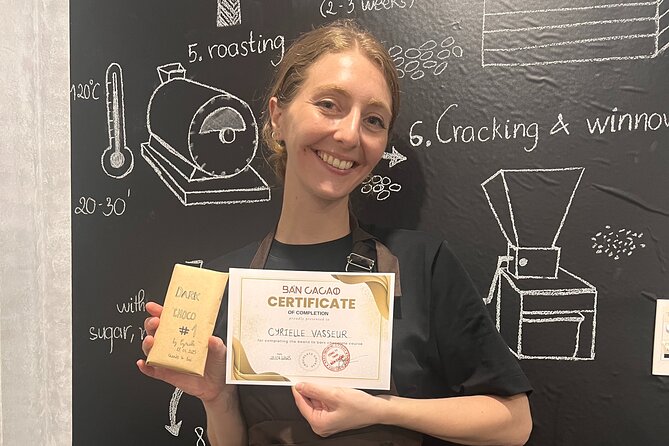
The class includes one drink per person, with a choice of hot or iced chocolate. This gives you a short pause from the hands-on work and adds value to the $32 price.
The drink also keeps the session tied to its main subject. You are not only learning about cacao in raw and solid forms, but also tasting it as a prepared beverage.
For a family, the included drink is a useful extra. One family experience included a drink for both the adult and child, and the hot or iced chocolate was described as especially enjoyable. It is a small feature, but these small inclusions matter when comparing a short paid activity with simply buying a chocolate drink at a café.
The details of the drink choices are limited, so I would not book this expecting a full tasting menu. Think of it as a pleasant included refreshment during the workshop.
Why the small group size matters
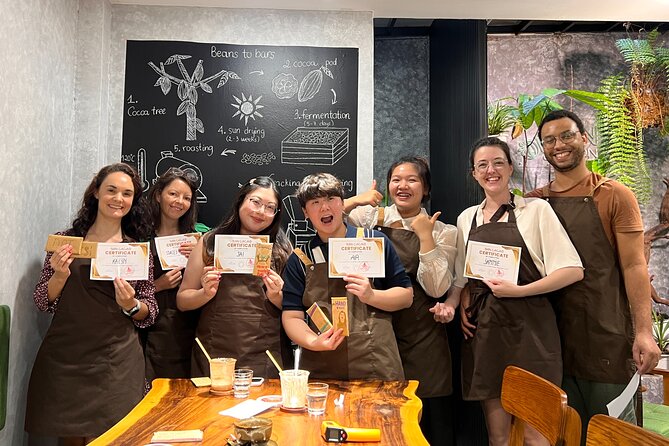
The class accepts a maximum of 10 people. That is a sensible limit for an activity involving a mortar, scale, thermometer, molds, and shared ingredients.
A small group should give you a better chance to take part in the practical steps rather than watching from the back. That matters here because the value comes from handling the cacao yourself.
It also makes the class more suitable for questions. The workshop covers cacao in Vietnam, local ingredients, and the full process from pod to bar. With no more than 10 participants, the setting should feel more like a working class than a large demonstration.
The supplied information does not name the instructor, so I cannot tell you who will lead your particular session. The experience is provided by Ban Cacao, a Vietnamese chocolate maker, and the class takes place at its store.
The District 1 meeting point
You meet at 89/14 Hàm Nghi in Phường Nguyễn Thái Bình, District 1. The activity ends at the same location.
That central meeting point keeps the logistics simple. The location is near public transportation, which is helpful if you are building the workshop into a day of sightseeing in central Ho Chi Minh City.
Allow enough time to reach Hàm Nghi without rushing. The class lasts about two hours, and the hands-on format means arriving late could cause you to miss the explanation or an early stage such as the fresh cacao tasting and bean husking.
A mobile ticket is provided, and booking confirmation arrives at the time of booking. Those details make this an easy activity to add to a phone-based itinerary. Still, keep the meeting address handy rather than relying on memory, since the listed address includes a specific lane number.
Is $32 a fair price?
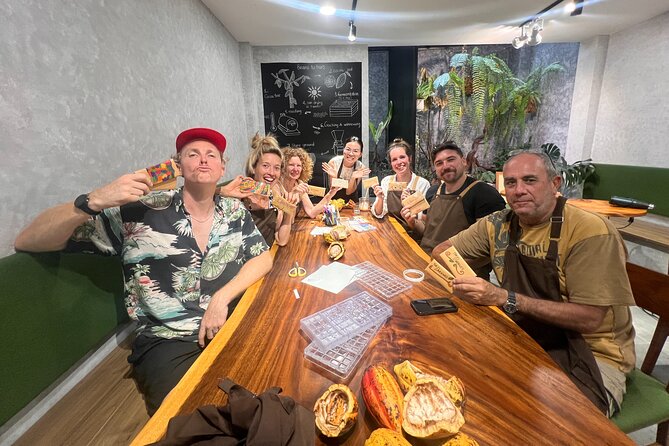
At $32 per person, this is not the cheapest way to eat chocolate in Ho Chi Minh City. You could buy drinks and packaged bars for much less. The value here comes from the guided process, the materials, the use of tools, the included drink, and the two bars you make and take home.
You also get a focused two-hour activity in a central location. The workshop covers fresh fruit, beans, nibs, cacao paste, molding, decorating, and wrapping. That is a solid amount for the price, especially if you would otherwise spend money on a short food activity during your city stay.
I would judge the price differently for different types of visitors. If you only want to taste chocolate, $32 is more than you need. If you enjoy learning how food is made, want a creative activity, or need a break from sightseeing, the cost makes better sense.
The included keepsakes add to the value, but I would not count them as the main reason to book. The real benefit is the process. The bars are the proof that you took part.
Best for families, couples, and curious food lovers
Families with children over 8 are a strong match, provided adults are ready to help with the grinding. The activity combines tasting, movement, explanation, and decoration, so it has more variety than a talk or standard tasting.
Couples can use it as a relaxed shared activity. You each make your own bars, then decorate the wrappers. It is more personal than buying a box of chocolates and does not require a full day away from the city.
It also suits solo visitors who like food crafts and want a structured activity. The maximum group size of 10 keeps it social without making it a major group outing.
I would be less likely to recommend it to someone looking for advanced chocolate training. The workshop is an introduction to the process, not a specialist course in tempering, recipe design, or commercial production. The supplied details also do not promise a farm visit, a cacao plantation trip, or a large tasting flight, so book it for the pod-to-bar workshop itself.
What to know before you book
The class is about two hours, which makes it easy to fit into a morning or afternoon. Because the activity moves through several stages, it is wise to arrive ready to participate rather than treating it as a drop-in tasting.
Wear something you do not mind using during a food-making activity. The information provided does not state a dress code or describe cleanup facilities, so avoid assuming that everything will remain spotless.
Children over 8 can take part, but the granite-mortar grinding deserves special attention. It can be tiring, and a younger child may need an adult to share the work.
You can cancel for a full refund up to 24 hours before the start time. Cancellations or changes made less than 24 hours in advance are not accepted for a refund, and the cut-off follows local time.
The experience has a 5 out of 5 rating from 10 reviews, with all recommending it. That is a small sample, so I would treat it as encouraging rather than absolute proof. The strongest pattern is clear, though: the class is praised for being fun, informative, family-friendly for children over 8, and generous with the finished chocolate and drink.
Should you book the Ban Cacao workshop?
Book it if you want to understand where Vietnamese chocolate begins and prefer making something to simply buying it. The fresh cacao tasting, hand-husked beans, granite mortar, drink, and two decorated bars give the two-hour session a clear purpose.
I would especially recommend it for families with children over 8, couples, and food-focused visitors who want a creative stop in District 1. Plan for some physical effort during the grinding, and do not expect an advanced professional course.
At $32, the workshop is a fair buy when you value instruction and participation. If your goal is only a quick chocolate snack, skip it. If you want a hands-on souvenir with a story behind it, Ban Cacao is an easy choice.
FAQ
Where does the chocolate workshop take place?
The class takes place at Ban Cacao, a Vietnamese chocolate maker, at 89/14 Hàm Nghi, Phường Nguyễn Thái Bình, District 1, Ho Chi Minh City.
How long does the class last?
The workshop lasts approximately two hours.
What will I do during the workshop?
You will learn about cacao in Vietnam and the pods-to-bars process, taste fresh cacao pods, husk cacao beans, make cacao paste with a granite mortar, create chocolate bars, decorate them, and wrap them.
Do I get to take chocolate home?
Yes. You make and keep your own chocolate bars, with decorated wrapping paper. One family experience described taking home two bars per person.
Is the workshop suitable for children?
It is recommended for children over 8. The grinding portion can be tiring, so younger participants may need help from an adult.
Can I cancel for a full refund?
Yes. You can cancel at least 24 hours before the experience start time for a full refund. Cancellations or changes made less than 24 hours before the start time are not accepted for a refund.
More Hands-On Workshops in Ho Chi Minh City
- Cai Be Mekong Delta Tour: Cooking Class, Cycling & Craft Villages
★ 5.0 · 1,881 reviews - Chef Vu Cooking Class Plus Market Trip in Saigon Center (Pick up by Cyclo)
★ 5.0 · 477 reviews - Immersive Cooking Class & Wet Market Tour by Local Chef +Cookbook
★ 5.0 · 367 reviews - Fun & Easy Vietnamese Coffee Workshop in Hồ Chí Minh City
★ 5.0 · 293 reviews
Newest Ho Chi Minh City write-ups
- VIP Tour Authentic Mekong Delta & Local pagoda by SpeedBoat★ 4.6 · 5 reviews
- Vung Tau Beach Full Day Trip From Ho Chi Minh City★ 4.4 · 13 reviews
- Water Puppet Show And Dinner Cruise On Saigon River Tour★ 4.0 · 6 reviews
- Off The Beaten Track The Mekong By Bike,boat & Kayak Day Trip★ 5.0 · 4 reviews
- Private Luxury Tour Mekong Delta 1 day★ 5.0 · 3 reviews
- VIP Tour Enjoy Romantic Sunset by Speed Boat Free Cocktail★ 4.8 · 13 reviews
- Mekong Delta 2 Days 1 Night Small Group Homestay★ 5.0 · 37 reviews
- Mekong Delta from Phu My Cruise Harbor★ 5.0 · 6 reviews
Workshops, compared.
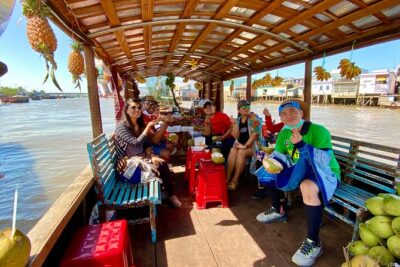
Cai Be Mekong Delta Tour: Cooking Class, Cycling & Craft Villages
Read our review →
Chef Vu Cooking Class Plus Market Trip in Saigon Center (Pick up by Cyclo)
Read our review →
Immersive Cooking Class & Wet Market Tour by Local Chef +Cookbook
Read our review →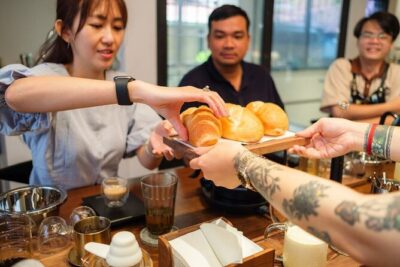
Fun & Easy Vietnamese Coffee Workshop in Hồ Chí Minh City
Read our review →
Small-group 2-Day Mekong Delta: Floating market, Cooking Class…
Read our review →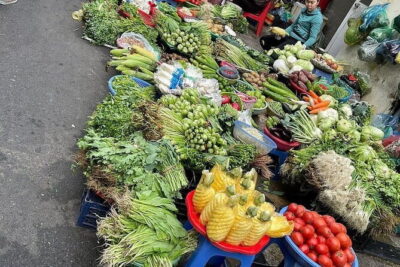
Authentic Vietnamese Cooking Class with Market Visit in HCMc
Read our review →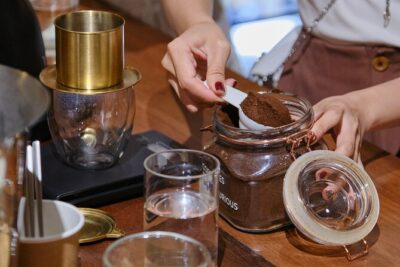
Decadent Vietnamese “Egg Coffee” Workshop in Hồ Chí Minh City
Read our review →
Experience half-day cooking class with market visit
Read our review →Browse the lists this tour appears in