
Reviewed · COFFEE EXPERIENCES
Vietnam Coffee Journey – Make extraordinary tasty coffee yourself
Vietnamese coffee is much more than strong caffeine in a small glass. In this two-and-a-half-hour session, you taste six drinks, trace their links to Vietnam’s past and regional character, then make several yourself under Quynh’s guidance. The phin brewing lesson is the heart of it: simple equipment, careful timing, and a very different cup from a quick espresso.
I like two things right away. First, the drinks are not treated as random samples. Each one has a reason behind it, from plain black coffee to the familiar sweet styles made with condensed milk or egg. Second, you leave with useful recipes and adjustment tips, rather than only a pleasant memory and a caffeine headache.
The main consideration is the amount of coffee. Six tastings can be a lot, especially if you are sensitive to caffeine. You can taste instead of finishing every drink, and you should tell the host in advance about vegetarian, vegan, or halal needs.
Key points to know before booking
- Six drinks with a story behind each one: Compare plain coffee, regional favorites, and modern and traditional styles while learning how Vietnam’s past shaped its coffee habits.
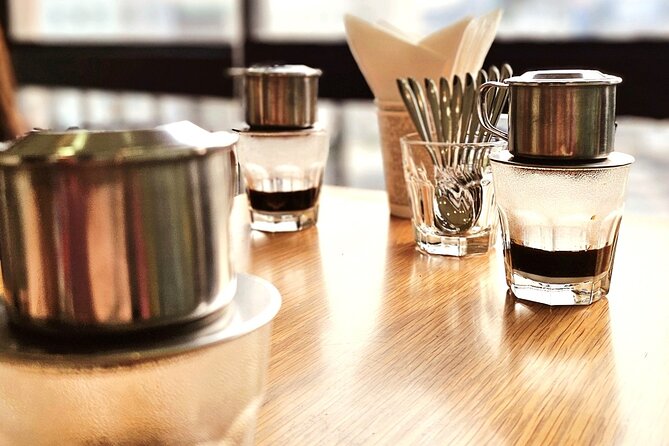
- Hands-on phin brewing: You use the traditional metal filter yourself and learn how brewing choices affect the final cup.
- Make condensed milk and egg coffee: These are the two signature preparations most visitors want to understand, and you get recipes to repeat at home.
- A small group capped at six people: The format gives you room to ask questions and get help while preparing drinks.
- A central District 1 meeting point: Meet at 27 Ngo Duc Ke in Ho Chi Minh City and return there when the session ends.
- Plan for caffeine and extra time: The official duration is about two and a half hours, but conversation and coffee preparation can make the session run longer.
Six cups that explain Vietnam better than a coffee souvenir
The clever idea here is to use coffee as a route through Vietnamese culture. Instead of giving you one standard cup and a short demonstration, Quynh builds a sequence from the simplest drink to preparations with added ingredients. You taste, compare, and ask why each style developed.
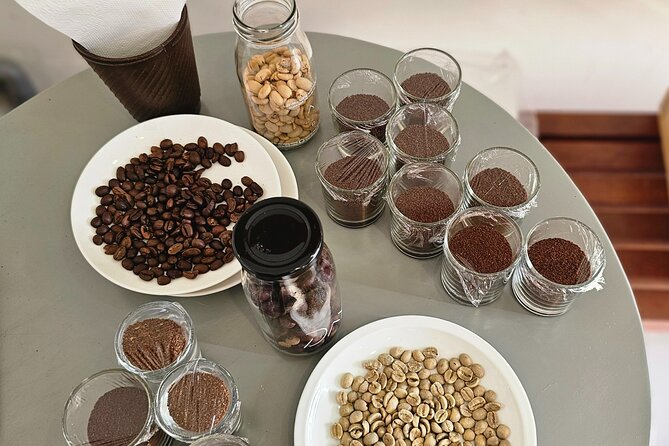
The first cup is pure black coffee. That gives you a baseline for the beans, roast, bitterness, body, and sweetness that later ingredients can hide. It also helps you understand why Vietnamese coffee has such a strong reputation. The character of the drink is not only about adding condensed milk. The brewing method and the way the coffee is roasted matter first.
From there, the tasting moves through more familiar preparations and iconic combinations. Ca phe sua, coffee with condensed milk, shows how sweetness changes the drink without erasing its strength. It is one of the best-known southern styles, and making it yourself lets you adjust the balance instead of accepting a fixed recipe.
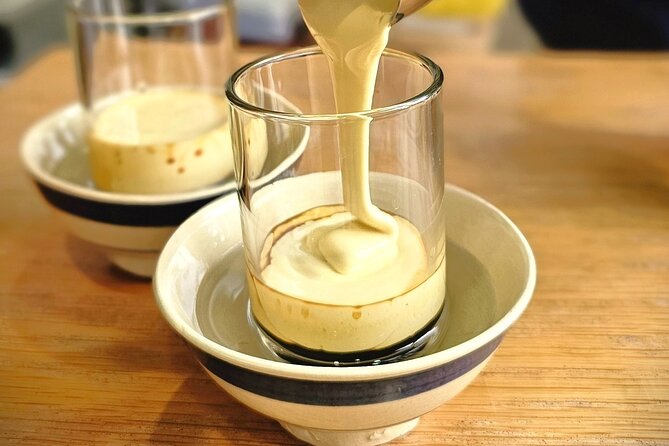
Ca phe trung, or egg coffee, brings in a northern tradition. The egg mixture changes the texture as much as the flavor, turning coffee into something closer to a dessert-like drink. You learn the method rather than merely being handed a finished glass, which makes the preparation less mysterious and easier to repeat at home.
The session also compares traditional and modern approaches. That matters if you have only tried coffee from a contemporary cafe and assumed it represented all Vietnamese coffee. The class presents coffee without pushing a commercial brand or one specialty-coffee viewpoint, so you get a broader picture of how people actually drink it.
You should expect stories about origins, regional habits, and the way national character appears in different drinks. The experience does not treat history as decoration. It connects coffee to the circumstances in which people drank it, the ingredients they used, and the different tastes associated with northern and southern Vietnam.
More Vietnamese coffee sessions in Ho Chi Minh City:
- Fun & Easy Vietnamese Coffee Workshop in Hồ Chí Minh City
★ 5.0 · 293 reviews - Vietnamese Coffee & Culture Exploration in Hồ Chí Minh City
★ 5.0 · 202 reviews - Decadent Vietnamese “Egg Coffee” Workshop in Hồ Chí Minh City
★ 5.0 · 150 reviews
Why the phin lesson is worth your time
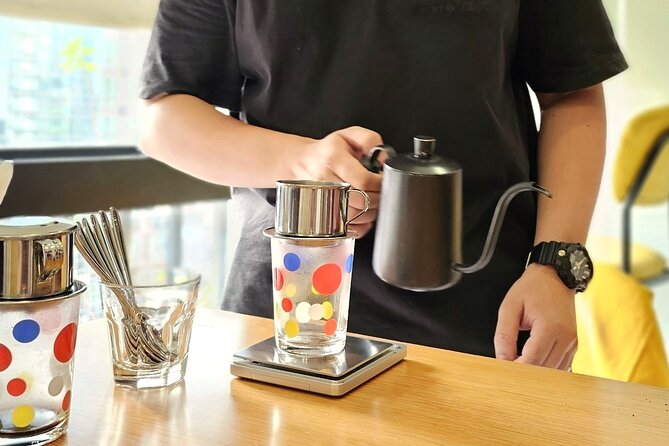
The phin is small, metal, and unhurried. Coffee sits in the filter while hot water passes through slowly, producing a cup with a different pace and texture from coffee made by a machine. You will learn how to place and use the filter, then watch the coffee develop as it drips.
This is a practical lesson rather than professional barista training. You are not expected to master café service or memorize technical jargon. Instead, Quynh explains how the equipment and brewing method bring out particular qualities in the cup. That approach is useful because it gives you reasons for the result.
If the coffee tastes too strong, too weak, too bitter, or too sweet, you learn what to adjust. The advice includes brewing methods, recipes, and ways to tailor the drinks to your own taste. Those small corrections are what make the experience useful after you leave Ho Chi Minh City.
I especially like this part for visitors who normally buy coffee ready-made. You get to see that Vietnamese coffee is not difficult to prepare, but it does ask for a little patience. The phin also makes a practical souvenir if you want to continue the habit at home, though the experience data does not specify whether one is included or sold during the session.
Quynh’s teaching style and the value of a small group
Quynh, the host, works as an experienced quality-control and barista coach. Her role is not simply to demonstrate a recipe. She explains the connection between brewing choices, ingredients, taste, and culture, then leaves room for questions.
That open question format is a real advantage. You can ask about coffee, Vietnamese customs, regional differences, or the tools used in the process. The session is informative but intended as an experience, not a formal class with exams or training exercises.
The group limit is six people. That number matters when everyone is preparing drinks, since you should have a better chance to see the demonstration and receive help. It also keeps the conversation more personal than a large food tour.
At the same time, a small coffee lab is not a full city tour. You are not walking through several neighborhoods or stopping at a long list of cafes. The value comes from focused teaching, tasting, and conversation in one place. If you want to see Ho Chi Minh City through food stalls and street scenes, pair this with a separate walking or food experience.
What the two-and-a-half hours are likely to feel like
The experience begins at 27 Ngo Duc Ke in Bến Nghé, District 1. The meeting point is near public transportation, and the activity returns there at the end. Since the address is central, it should fit neatly into a day of sightseeing in the city center, though you should allow enough time to reach the meeting point.
The opening portion sets up the coffee story and begins the tasting. You compare drinks rather than rushing through them, so the pace is shaped by explanation and discussion. This is where the plain black coffee is important, since it gives you a reference point for the cups that follow.
The middle portion brings in the brewing work. You learn how to use the phin and see how the method affects taste. You also work through the preparations associated with southern and northern Vietnam, including condensed milk coffee and egg coffee.
The final part ties the drinks together. You compare traditional and modern styles, ask questions, and take away recipes and tips for making the drinks at home. The listed duration is about 2 hours and 30 minutes, but you should not schedule a tight appointment immediately afterward. Coffee takes time to prepare, and the discussion may continue beyond the stated time.
This is not a rushed tasting where each drink appears with no explanation. It also is not a technical laboratory session. The balance is best for you if you want enough detail to understand what you are drinking, without signing up for a full professional course.
A completely different sort of day out of Ho Chi Minh City:
- Cu Chi Tunnels Tour from HCM City – Morning or Afternoon
★ 5.0 · 15,833 reviews - From HCM City: Mekong Delta Tour with Sampan Journey
★ 4.5 · 13,132 reviews - Ho Chi Minh City Street Food Tour & Sightseeing By Motorbike
★ 5.0 · 9,413 reviews - HCM: Cu Chi Tunnels-Tapioca Small Group Tour Morning or Afternoon
★ 5.0 · 7,485 reviews
Is $30 a fair price?
At $30 per person, the value rests on the combination of six drinks, instruction, cultural context, and hands-on preparation. A single cafe visit would cost less, but it would not give you the same comparison or teach you how the drinks are made.
The small group helps justify the price. You are paying for direct access to Quynh, the equipment, several tastings, and practical guidance. The experience is especially good value if you care about coffee or plan to recreate Vietnamese drinks at home.
It is less compelling if you only want one quick cup or if you dislike sweet coffee preparations. Some of the most recognizable Vietnamese styles use condensed milk or egg, and the point is to compare them rather than avoid them.
You also need to count the cost of your attention and appetite. Two and a half hours is a substantial block of a short city stay. For a coffee enthusiast, that time is well spent. For someone trying to see as many city sights as possible, a shorter coffee stop may suit you better.
Who will enjoy this, and who should think twice?
I would recommend this experience to anyone who wants context with their food and drink. It suits first-time visitors who have heard of Vietnamese coffee but do not know the difference between a phin brew, condensed milk coffee, and egg coffee.
It is also a good choice for people who enjoy making things with their hands. You do not merely watch a barista prepare a drink. You learn the process and receive enough advice to adjust it later.
Families may find the setup workable. The lab has seating for children who are waiting while their parents take part, though the activity itself is centered on coffee and may not hold a young child’s attention for the full session.
Caffeine-sensitive people should plan carefully. Six drinks can add up, and the sensible approach is to taste each one without forcing yourself to finish every sample. If you have dietary needs, contact Quynh ahead of time. Vegetarian, vegan, and halal options are available with advance arrangement.
Service animals are allowed, and the location is near public transportation. Those details are helpful, but the most important practical factor remains the coffee itself. This is a focused tasting and brewing experience, not a general sightseeing activity.
What makes the cultural side useful
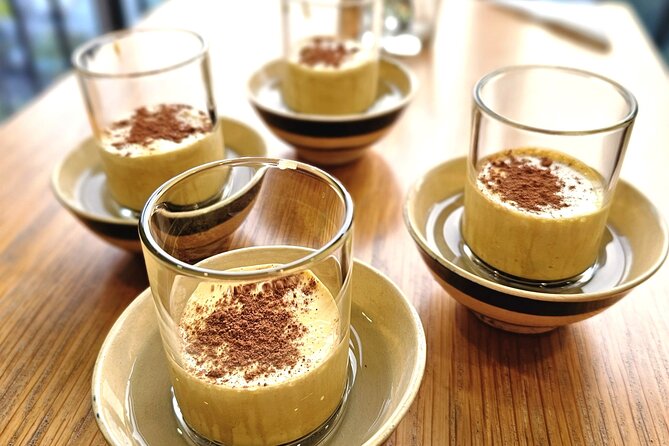
The best cultural lesson here is that drinks reflect choices made over time. Ingredients, brewing tools, regional habits, and personal taste all shape what appears in the cup. That makes coffee an approachable way to learn about Vietnam without sitting through a long lecture.
You also get a northern and southern comparison. The differences are not presented as a simple contest. They show how food and drink can express local preferences and changing circumstances. The class helps you notice these differences the next time you order coffee elsewhere in the country.
The stories also give you better questions to ask during the rest of your trip. You may pay more attention to the little metal filter on a cafe table, the amount of condensed milk in the glass, or the texture of an egg coffee topping. A good food experience changes what you notice later, and this one is designed to do that.
The session keeps its focus on Vietnamese coffee rather than promoting one narrow definition of quality. That is helpful because coffee culture can be discussed in overly technical terms. Here, the goal is to understand what people drink, why they drink it, and how you can make it yourself.
Booking details that affect your day
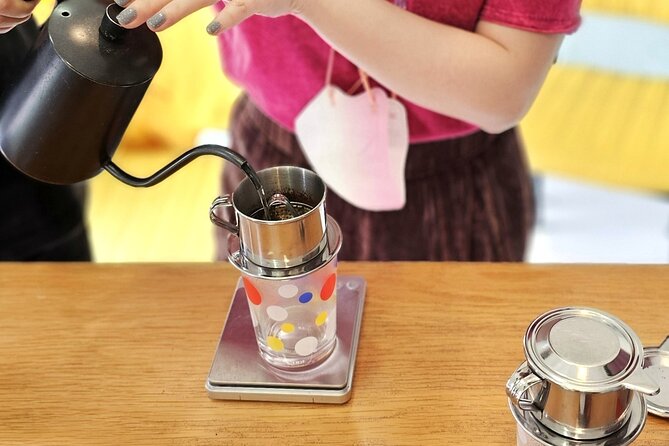
You receive confirmation at the time of booking, and the activity uses a mobile ticket. It is commonly booked well ahead, with an average booking time of about 13 days in advance, so I would not leave it until the last moment if your schedule is fixed.
The meeting point is 27 Ngo Duc Ke, Bến Nghé, District 1, Ho Chi Minh City, postal code 70000. The session ends at the same location. Since the group is limited to six, checking availability early is sensible.
Free cancellation is available if you cancel at least 24 hours before the local start time. Cancellations or changes made inside that window are not accepted for a refund.
Quynh also offers other formats, including a shorter 1.5-hour session focused on three iconic drinks from northern, central, and southern Vietnam, plus a four-hour electric tuk-tuk tour connecting the city’s growth with its coffee drinks. Those are separate options, so choose this 2.5-hour experience when the hands-on tasting is your priority.
Should you book Vietnam Coffee Journey?
Book it if you want to understand Vietnamese coffee rather than simply photograph it. The six-drink tasting, phin practice, egg coffee, condensed milk coffee, and regional stories give you both flavor and useful context.
I would be more cautious if you are very sensitive to caffeine, dislike sweet drinks, or have only a short time in Ho Chi Minh City. Even with the option to taste without finishing, the session takes time.
For most coffee fans, $30 is a sensible price for a small-group experience with a named host, practical recipes, and a clear cultural focus. You should leave knowing not only what Vietnamese coffee tastes like, but also how to make it and what the cup says about the place.
FAQ
Where does Vietnam Coffee Journey begin?
It begins at 27 Ngo Duc Ke, Bến Nghé, District 1, Ho Chi Minh City, Vietnam.
Where does the activity end?
The activity ends back at the meeting point on Ngo Duc Ke Street.
How long does the coffee experience last?
The listed duration is approximately 2 hours and 30 minutes. You should allow extra time because coffee preparation and discussion may continue beyond that.
How many coffee drinks will I try?
You will try six different coffee drinks, starting with pure black coffee and continuing through well-known preparations that use additional ingredients.
Will I make Vietnamese coffee myself?
Yes. You will learn to use the traditional phin coffee dripper and make iconic drinks including ca phe sua and ca phe trung.
Can people with dietary restrictions take part?
Vegetarian, vegan, and halal options are available. You need to contact the host in advance so arrangements can be made.
What is the cancellation policy?
You can cancel for a full refund up to 24 hours before the experience starts. Cancellations or changes made less than 24 hours before the local start time are not accepted for a refund.
Newest Ho Chi Minh City write-ups
- VIP Tour Authentic Mekong Delta & Local pagoda by SpeedBoat★ 4.6 · 5 reviews
- Vung Tau Beach Full Day Trip From Ho Chi Minh City★ 4.4 · 13 reviews
- Water Puppet Show And Dinner Cruise On Saigon River Tour★ 4.0 · 6 reviews
- Off The Beaten Track The Mekong By Bike,boat & Kayak Day Trip★ 5.0 · 4 reviews
- Private Luxury Tour Mekong Delta 1 day★ 5.0 · 3 reviews
- VIP Tour Enjoy Romantic Sunset by Speed Boat Free Cocktail★ 4.8 · 13 reviews
- Mekong Delta 2 Days 1 Night Small Group Homestay★ 5.0 · 37 reviews
- Mekong Delta from Phu My Cruise Harbor★ 5.0 · 6 reviews
Coffee Experiences, compared.
Fun & Easy Vietnamese Coffee Workshop in Hồ Chí Minh City
Read our review →
Vietnamese Coffee & Culture Exploration in Hồ Chí Minh City
Read our review →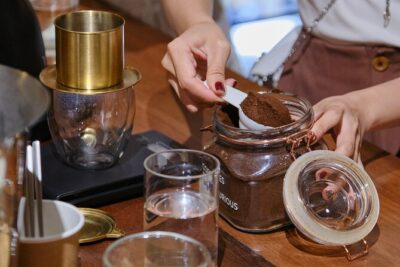
Decadent Vietnamese “Egg Coffee” Workshop in Hồ Chí Minh City
Read our review →
1 hour Egg Coffee Cooking Class with Snack and Local Instructor
Read our review →
Saigon Unseen: Culture, Coffee, Hidden Spots Motorbike Adventure
Read our review →
Vietnam Flavour: Market-to-Table & The Art of Egg Coffee
Read our review →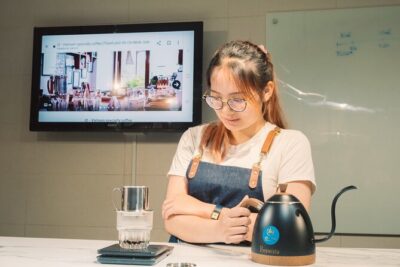
Coffee Workshop in Ho Chi Minh City: Discover the art of coffee
Read our review →
Ho Chi Minh Street Food Tour and Vietnamese Coffee
Read our review →Browse the lists this tour appears in