

Reviewed · PHOTOGRAPHY SESSIONS
The River’s Edge Photo Tour
Saigon’s river edge gives you a different city from the one most visitors see. At 5:30 am, you’ll photograph tugboats hauling coconuts from the Mekong, rickety floating homes, people beginning their day, and the skyline rising beyond the water. The real prize is the changing story from working river life to modern city views.
I like the small group of no more than six, which gives a photo guide room to offer personal advice. I also like the mix of subjects: people, architecture, boats, markets, and city views in one four-hour walk. The early start and weather requirement are the main drawbacks, and the time will feel short if you want to linger at every stop.
Key points at a glance
- Tugboats from the Mekong: Photograph working boats carrying coconuts and other goods into the city.
- Floating village portraits: Meet residents of houseboats and photograph daily life, with guidance on approaching people respectfully.
- Dawn timing at 5:30 am: Early light suits photography, but this is not a relaxed late-morning outing.
- A complete visual story: Move from river work and a Buddhist temple to the skyline and a traditional market.
- Personal photography coaching: Learn about composition, camera settings, and pacing a series of images.
- Six-person maximum: A useful size for asking questions and receiving feedback while shooting.
Why Saigon’s river edge makes a strong photo subject
Ho Chi Minh City is often presented through traffic, colonial-era buildings, cafés, and street food. This tour shifts your attention to the water, where commerce, homes, religion, and new construction meet in a compact route.
That mix matters for photography. You are not simply collecting pretty views. You are building a sequence: boats arrive with goods, people work beside the canal, residents live on floating homes, the city skyline appears across the river, and market life adds faces and movement at the end.
I like this kind of assignment because it gives your camera a job. Instead of pointing at whatever catches your eye, you can ask how each picture adds to the larger story. A wide view may establish the river. A portrait can introduce one person. A detail of cargo, hands, or a boat can help connect the scenes.
The guide also covers practical choices such as composition and camera settings. That makes the outing useful for someone who wants more than a sightseeing walk with a camera in hand. You may return with better pictures, but you should also return with a clearer idea of how to shape a set of images.
More photo tours around Ho Chi Minh City:
- Private Sunrise Photography Tour – Down in Chinatown
★ 5.0 · 59 reviews - Saigon Street Photography Experience
★ 5.0 · 56 reviews - Private Photography Tour & Ho Chi Minh City Exploration By Local
★ 5.0 · 25 reviews
Starting in District 7 before the city wakes
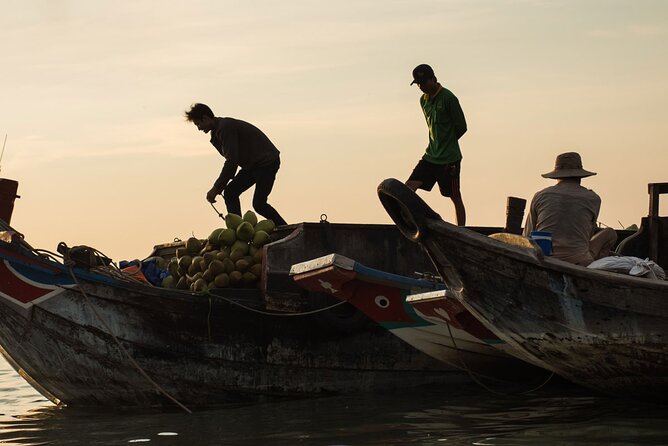
The tour begins in District 7 at 5:30 am. That early meeting time is important, not just a scheduling detail. The route is designed around river activity and morning light, so arriving at the start of the day places you closer to the working rhythm of the waterfront.
You begin with a canal-side walk. Tugboats come in carrying coconuts and other goods from the Mekong, creating a chance to photograph transport as work rather than as a staged tourist scene. Boats, cargo, water, and people can provide several types of pictures from the same area.
Your guide can help you vary your approach. A wider composition may show a tugboat in relation to the canal and buildings. A tighter frame may focus on cargo or a worker. The value of the coaching is that you can try these options as the scene changes, rather than hearing general camera advice in a classroom.
The timing has a tradeoff. A 5:30 am start will not suit anyone who wants a slow holiday morning, and the experience lasts about four hours. If you are willing to set an alarm, though, you get a chance to work with the quieter, more directional light that makes many morning photographs easier to shape.
Photographing working boats and river commerce
The tugboats are one of the tour’s most specific subjects. They are not just decorative boats placed for visitors. They arrive with goods from the Mekong, giving you a look at the river as part of the city’s supply network.
That practical setting can make your photos feel more grounded. Look for relationships between the boat and its cargo, the boat and the canal, or the people and the work being done. Your guide can help you decide which details matter and how to avoid making every image look like the same boat portrait.
You should also expect conditions to change quickly. A boat may move, a person may turn away, or the best position may last only a moment. This is a useful place to practice making quick choices about shutter speed, framing, and what belongs inside the picture.
The route is not described as a formal boat ride. It is a walk along the canal-side area, so you should think of the experience as a photo walk beside working water. That distinction matters if you are expecting to photograph from a boat or spend the morning on the river itself.
A Buddhist temple and the shift from public to personal pictures
After the canal-side section, the route passes a Buddhist temple. This changes the visual subject and gives your photo story a pause from the movement of cargo boats and river work.
Architecture offers a chance to slow down. You can consider lines, symmetry, framing, and the way the temple sits within its surroundings. The guide’s composition advice is useful here because architectural pictures can easily become flat records of a building unless you pay attention to viewpoint and structure.
The temple also adds cultural context to the sequence without turning the morning into a standard monument tour. You are seeing a place along the river route, not simply ticking off a famous sight.
The supplied details do not specify whether photography inside the temple is allowed or whether a formal visit takes place. Treat it as a place to photograph respectfully, and follow any instructions from the guide or temple staff. The main value here is the contrast between religious architecture and the working waterfront around it.
A completely different sort of day out of Ho Chi Minh City:
- Cu Chi Tunnels Tour from HCM City – Morning or Afternoon
★ 5.0 · 15,833 reviews - From HCM City: Mekong Delta Tour with Sampan Journey
★ 4.5 · 13,132 reviews - Ho Chi Minh City Street Food Tour & Sightseeing By Motorbike
★ 5.0 · 9,413 reviews - HCM: Cu Chi Tunnels-Tapioca Small Group Tour Morning or Afternoon
★ 5.0 · 7,485 reviews
Meeting the floating village along the path
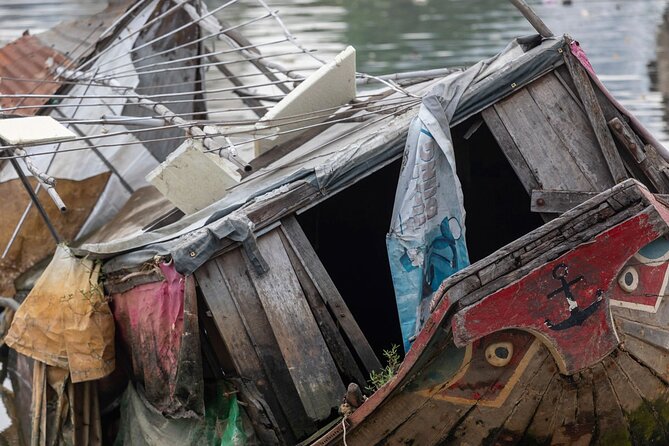
The floating village is likely to be the most personal part of the route. Rickety houseboats are anchored along the path, and owners may come out to talk. This creates opportunities for portraits as well as pictures of people at work and play.
Portrait photography can make people nervous, especially when you do not speak the local language. One useful lesson from the guide experience is watching how Paul Green approaches people. He is an Australian expatriate and does not speak Vietnamese, yet his manner of approaching people has helped participants think more carefully about how to make contact.
That is a practical skill, not just a pleasant social moment. A photographer needs to show interest, give a person time to respond, and avoid treating someone’s home as a backdrop. Your guide can model that process and offer suggestions while you work.
William has also led this experience and has been praised for giving quick feedback and suggesting fresh ways to photograph the river. Because the guide may vary, it is sensible to focus on the service promised, a professional photographer guide, rather than expect a particular person on every departure.
The floating homes also bring a question of distance and respect. You may find that a wider picture showing a home and its position on the water says more than a close portrait. If a resident comes out to chat, you can ask before taking a portrait and remain alert to the fact that this is someone’s living space, not a set.
The skyline view that ties old and new together
The route finishes its river section with a view of Saigon’s 21st-century skyline over the water. This is a strong visual counterpoint to the tugboats, floating homes, and traditional market.
You can use the skyline as the broad closing image in your photo story. The river becomes the link between older ways of living and newer construction. That contrast is more interesting than photographing the towers by themselves, because the frame can show how the city changes across the water.
The exact light will depend on weather and conditions. The tour requires good weather, and poor conditions can lead to a different date or a full refund. That policy is sensible for a photo outing where the quality of light and visibility affect the experience, but it also means your plans may need some flexibility.
I would not book this as a guaranteed sunrise skyline shoot with one fixed view. The experience covers several kinds of river life, and the skyline is one part of the larger route. Its strength is the range of subjects rather than a single postcard image.
Finishing in a traditional market
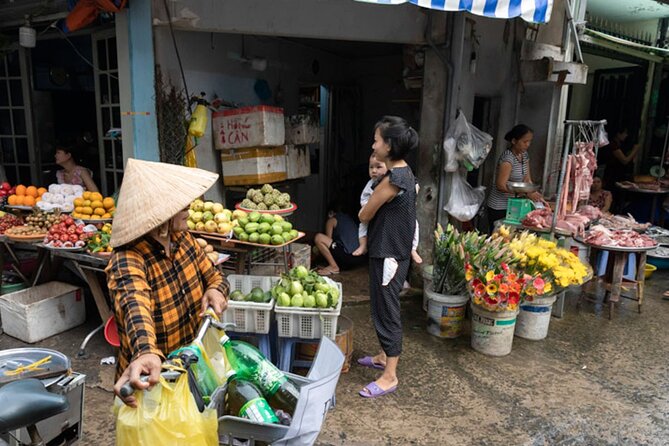
The final stop is a traditional market with light suited to people photography. After the open spaces of the canal and river, the market offers tighter compositions, faces, movement, and layers of activity.
This is where the idea of pacing a visual story becomes useful. You may have started with wide views of boats and water. In the market, you can make the frame more intimate, using people and details to give the series a strong ending.
The market also gives you another setting for practicing respectful street photography. Your guide can help you think about when to photograph from a distance, when to ask permission, and how to work with the available light. The aim is not to collect random snapshots but to make images that belong to the morning’s wider story.
The route includes several distinct environments in four hours, so you should expect to keep moving. If you prefer to spend twenty minutes arranging one carefully controlled portrait, this may feel rushed. If you want variety and regular changes of subject, the pace should suit you better.
What the photography coaching adds
The guide is a professional photographer, and the teaching focus covers composition, camera settings, and narrative structure. Those subjects are broad, but they fit this route well because the conditions keep changing.
Composition advice can help you choose between a wide scene and a close detail. Camera-setting advice matters when you move from bright open water to shaded market areas. Storytelling advice helps you decide which photographs belong together and how one image leads to the next.
The strongest practical benefit is access to immediate feedback. William has been described as offering suggestions that quickly improved a participant’s pictures and proposing new ideas for photographing the river. Paul Green has also been singled out for useful photography suggestions and for showing how to approach people.
You do not need to be an expert to take part. Most people can participate, and the format allows questions during the walk. Still, you will get more from the session if you bring a clear goal, such as improving portraits, working on composition, or learning how to create a coherent series.
Is $119 a fair price?
The cost is $119 per person. That is not a budget photo walk, so the value depends on how much you want instruction rather than simple sightseeing.
You are paying for about four hours with a professional photographer guide, a route through several distinct areas, and a group limited to six people. A small group can make a real difference because the guide has more opportunity to look at your approach, suggest a new angle, and answer questions.
The route also avoids being a single-location lesson. You work with boats, architecture, portraits, skyline views, and market photography. If you already own a camera and want focused help using it in changing conditions, the price may be reasonable.
If you mainly want a casual walk or a list of famous Ho Chi Minh City sights, the cost will be harder to justify. The tour is best understood as a guided photography session with cultural and city views, not as a general orientation tour.
Pickup is offered, group discounts are available, and a mobile ticket is provided. The supplied information does not explain pickup areas or the discount terms, so check those details before paying.
Who should book this early-morning photo walk?
I would recommend it to photographers who want help turning a morning of observations into a connected set of images. It should also suit people who prefer local working scenes, informal encounters, and less familiar parts of Ho Chi Minh City over a standard monument route.
It is a good match for:
- Photographers at beginner or intermediate level who want direct feedback.
- People interested in portraits and learning how to approach subjects.
- Visitors who want boats, homes, markets, architecture, and skyline views in one outing.
- Anyone who values a small group and a guide who can suggest new ways to frame a scene.
I would hesitate if you dislike early starts, need a guaranteed dry-weather departure, or want a slow visit with plenty of time at each location. The route covers a lot in four hours, and the best results will come from staying alert and adapting as the scenes change.
Booking, cancellation, and practical expectations
Confirmation is received at booking, and most people can participate. The group has a maximum of six, which keeps the teaching personal without making the outing private.
You can cancel up to 24 hours before the start time for a full refund. Cancellations or changes made less than 24 hours before the start are not refunded or accepted. Cut-off times follow local time in Ho Chi Minh City.
Good weather is required. If poor weather cancels the tour, you will be offered another date or a full refund. Since the outing depends on outdoor photography, check the forecast and avoid placing it on the only morning when you have a fixed onward plan.
Should you book The River’s Edge Photo Tour?
Book it if you want to photograph a working side of Ho Chi Minh City and learn how to shape those pictures into a story. The tugboats, floating village, skyline, and market give you more range than a typical city photo walk, while the six-person limit leaves room for personal advice.
Skip it if you want a late start, a broad sightseeing tour, or a guaranteed set of perfect skyline images. For the right photographer, the $119 price buys more than four hours of walking: it buys a chance to improve your eye, your camera choices, and your confidence around people.
FAQ
Where does The River’s Edge Photo Tour take place?
The experience takes place in Ho Chi Minh City, beginning in District 7 and following a route along the river and canal areas.
What time does the tour start?
The tour starts at 5:30 am.
How long does the experience last?
It lasts approximately four hours.
How much does the tour cost?
The listed price is $119 per person.
Is pickup available?
Yes, pickup is offered. The provided information does not specify the pickup areas.
How many people can join?
The tour has a maximum of six participants.
Is a professional photographer guide included?
Yes, a professional photographer guide is included.
What photography topics are covered?
The guide offers tips on composition, camera settings, and creating and pacing a visual narrative with your images.
Can most people participate?
Yes, most people can participate according to the available activity information.
What happens if bad weather cancels the tour?
You will be offered a different date or a full refund if poor weather causes cancellation.
What is the cancellation policy?
You can cancel at least 24 hours before the start time for a full refund. Cancellations or changes made less than 24 hours before the start are not refunded or accepted.
Newest Ho Chi Minh City write-ups
- Vung Tau Beach Full Day Trip From Ho Chi Minh City★ 4.4 · 13 reviews
- Water Puppet Show And Dinner Cruise On Saigon River Tour★ 4.0 · 6 reviews
- VIP Tour Authentic Mekong Delta & Local pagoda by SpeedBoat★ 4.6 · 5 reviews
- Off The Beaten Track The Mekong By Bike,boat & Kayak Day Trip★ 5.0 · 4 reviews
- Private Luxury Tour Mekong Delta 1 day★ 5.0 · 3 reviews
- VIP Tour Enjoy Romantic Sunset by Speed Boat Free Cocktail★ 4.8 · 13 reviews
- Mekong Delta 2 Days 1 Night Small Group Homestay★ 5.0 · 37 reviews
- Mekong Delta from Phu My Cruise Harbor★ 5.0 · 6 reviews
Photography Sessions, compared.
Private Sunrise Photography Tour – Down in Chinatown
Read our review →
Private Photography Tour & Ho Chi Minh City Exploration By Local
Read our review →
Photography Tour with Professional Photographer in Ho Chi Minh
Read our review →
Private Sunset Photography Tour – Travel through history and time
Read our review →
Browse the lists this tour appears in