
Reviewed · PHOTOGRAPHY SESSIONS
Saigon Street Photography Experience
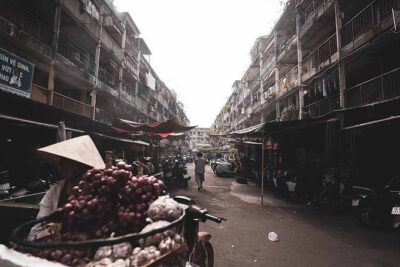
The best part of this morning walk is not simply taking pictures of Ho Chi Minh City. It is learning where to look. Fred Wissink or Kevin Lee leads you into old apartment buildings, local alleyways, a hardware market, and a Buddhist temple, showing you the everyday scenes that are easy to miss from a taxi or sightseeing bus.
I like the relaxed start over coffee or tea, where you learn how to approach people and what details to watch for. I also like the small group limit of 10, which gives the guide room to discuss composition, light, angles, exposure, and phone-camera settings. The main consideration is the early start at 7:00 am and the fact that this is a walking photography lesson, not a broad city tour with major monuments.
Key points at a glance
- Start with practical camera advice: Use the opening coffee or tea to ask about composition, light, exposure, and approaching people.
- Photograph places you may miss alone: The route includes old French colonial and war-era apartment buildings, alleyways, a hardware market, and a Buddhist temple.
- Choose between two experienced hosts: Frederik Wissink has worked for major hotels, corporations, newspapers, and magazines. Kevin Lee brings commercial photography and production experience.
- Bring any camera you use: The walk works for professional cameras, beginners, and phone photographers, including iPhone users.
- Keep the group manageable: A maximum of 10 people helps the guide offer personal advice rather than deliver a general lecture.
- Allow two and a half hours: The walk begins and ends at Cafe Linh77 Hàm Nghi in District 1 and starts at 7:00 am.
Why this walk gets you beyond postcard Saigon
Ho Chi Minh City is easy to photograph at the level of traffic, signs, scooters, and grand colonial buildings. The harder task is finding a more personal view of the city. This experience focuses on the spaces between the obvious sights: aging apartments, working markets, narrow passageways, family homes, and small religious sites.
That approach matters because street photography depends on access and timing. A professional photographer can point out a doorway, balcony, shadow, shopfront, or passing interaction that you might otherwise walk past. You are not just collecting pictures of Saigon. You are learning how to notice it.
The route stays in and around central Ho Chi Minh City, but it does not limit itself to polished tourist streets. You may see how Vietnamese families live within dense alley networks and meet local people along the way. The goal is not to stage scenes. It is to help you photograph daily life with care and confidence.
More photo tours around Ho Chi Minh City:
- Private Sunrise Photography Tour – Down in Chinatown
★ 5.0 · 59 reviews - Private Photography Tour & Ho Chi Minh City Exploration By Local
★ 5.0 · 25 reviews - Private Sunset Photography Tour – Travel through history and time
★ 5.0 · 13 reviews
Starting at 7:00 am with coffee and camera tips
The meeting point is Cafe Linh77 Hàm Nghi in District 1. The early hour is useful for photography: you begin before the day reaches its full heat and before central streets become as crowded. It also gives you a chance to settle in before the camera comes out.
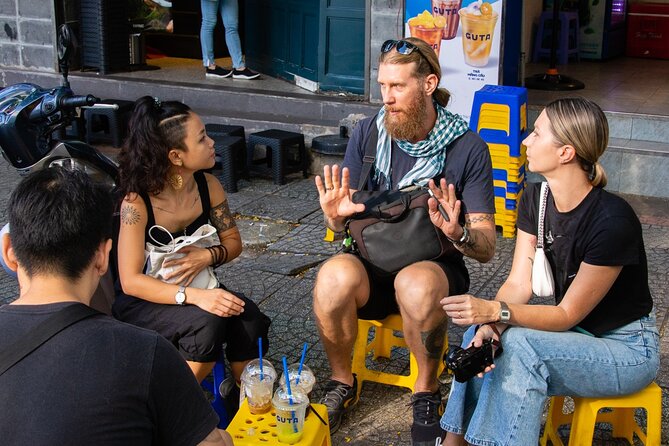
The first coffee or tea is more than a polite welcome. It is the working introduction to the walk. Your host discusses what makes a street photograph effective, how to approach people, and which small details deserve attention. If you are new to photography, this is where you can ask basic questions without feeling out of place.
If you already use a camera regularly, the opening talk can help you shift from familiar subjects to street work. Landscape photographers, for example, may be used to waiting for a view. Street photography asks you to respond to movement, expressions, light, layers, and changing backgrounds.
You do not need expensive equipment. One especially useful point from the experience is that a phone can be enough. Fred has helped photographers make better use of phone cameras, including newer iPhones. The best camera here is the one you can carry comfortably and use quickly.
Old apartments and the character of central Saigon
The walk includes French colonial and war-era apartment buildings. These are valuable photographic subjects because they show several periods of Ho Chi Minh City in one place. Their age, design, balconies, corridors, and signs of daily use can produce much more interesting pictures than a clean architectural facade.
Your guide helps you consider angles and light rather than simply pointing at the building. Try looking up, shooting through openings, finding repeated shapes, or framing a person against an older wall. These are the kinds of choices that turn a record of a building into a stronger photograph.
Some of the most appealing locations are inside apartment buildings or in less obvious corners. Access and local knowledge make a real difference here. You could pass the entrance without realizing that the interior offers a better view of how the building functions as a home and workplace.
There is also a practical limit. These buildings are not presented as formal museum sites, and the exact access or photographic opportunities can depend on conditions that morning. Keep your expectations flexible. The value comes from learning to work with the place you find, not from being promised one perfect shot.
Alleyways where daily life becomes the subject
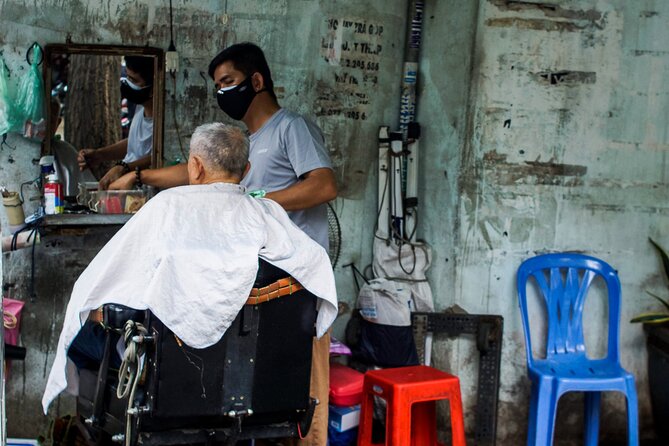
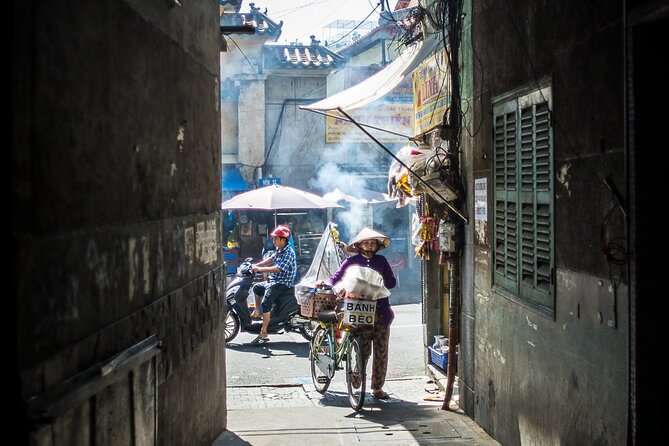
The route moves through an intricate network of alleyways where Vietnamese families live their daily lives. This is where the experience feels most distinct from a standard city sightseeing walk. You are close to ordinary homes and local routines, with the guide helping you decide when to photograph and when to simply observe.
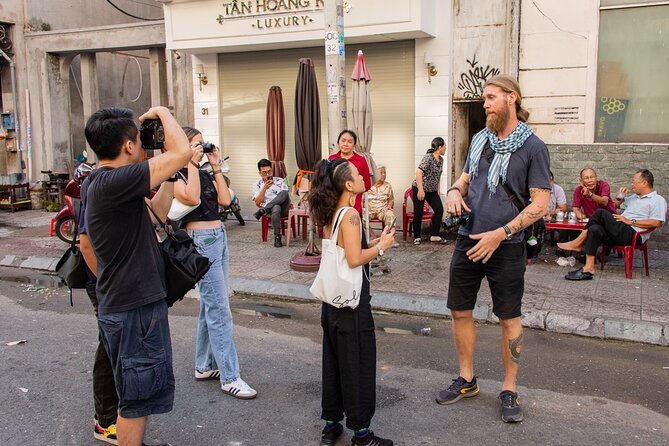
Street photography raises a basic question: how do you take pictures of people without treating them like scenery? The introduction covers ways to approach people, and your host can help you handle these moments politely. That advice is useful even if you only plan to photograph architecture, objects, or passing scenes.
Fred and Kevin both bring experience with candid photography and commercial assignments. Their professional background does not mean the walk is stiff or technical. It means they can discuss how to make a photograph communicate something, from the direction of light to the timing of a gesture.
The alleyways may be especially rewarding for photographers who have spent most of their time with posed portraits or scenic views. You will need to react quickly and accept that some moments disappear. That can be frustrating at first, but it is also the point of the exercise.
A completely different sort of day out of Ho Chi Minh City:
- Cu Chi Tunnels Tour from HCM City – Morning or Afternoon
★ 5.0 · 15,833 reviews - From HCM City: Mekong Delta Tour with Sampan Journey
★ 4.5 · 13,132 reviews - Ho Chi Minh City Street Food Tour & Sightseeing By Motorbike
★ 5.0 · 9,413 reviews - HCM: Cu Chi Tunnels-Tapioca Small Group Tour Morning or Afternoon
★ 5.0 · 7,485 reviews
A local hardware market full of useful details
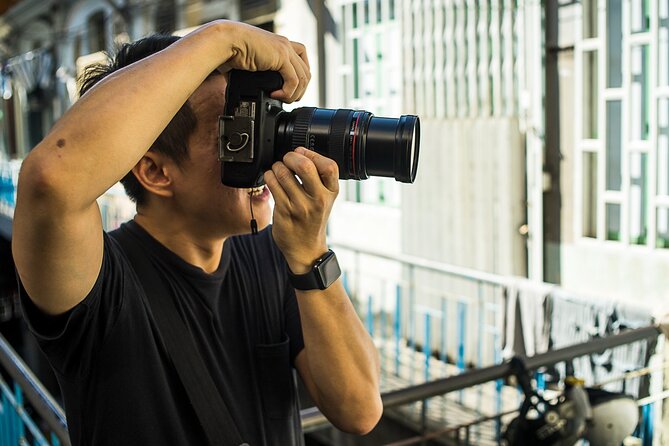
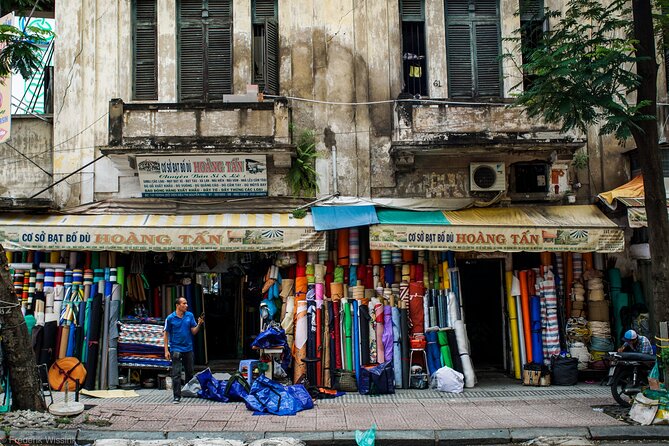
The hardware market provides a change of subject and rhythm. Instead of looking only at buildings or people, you can work with tools, textures, displays, colors, and tight arrangements. A market is a good place to practice choosing a frame because there is often more visual information than your picture can hold.
This is where the guide’s advice on composition can become concrete. You might compare a wide image with a close detail, use repetition to organize the frame, or look for a human moment among the objects. You are encouraged to experiment with angles, exposure, and light rather than settle for a single approach.
The market also adds context to the walk. It is a working place, not a set built for photographs. Be aware of the people using it for business, and follow your guide’s advice about approaching subjects. A respectful manner matters more than getting every possible picture.
One useful feature of this stop is that it suits different skill levels. A beginner can practice focusing and framing. Someone with more experience can work on visual structure, timing, or a small series of related images.
A Buddhist temple and a slower photographic pause
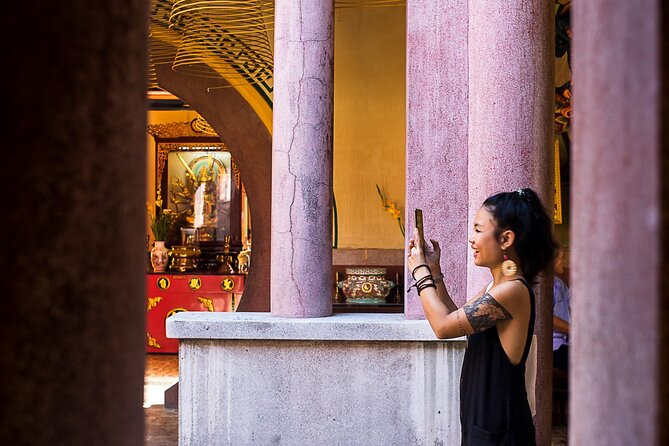
The itinerary also includes a beautiful Buddhist temple. After the apartments, alleyways, and market, the temple offers a quieter setting and a different kind of photographic subject. You can pay attention to architectural details, religious objects, patterns, light, and the mood of the space.
This stop is not simply a chance to photograph a recognizable building. It gives you a reason to slow down and consider how you photograph a place of worship. Follow local customs and your host’s guidance, particularly if people are praying or carrying out religious activities.
The contrast between the temple and the surrounding city is part of the appeal. Within a short walking route, you can move from dense residential spaces to a market and then to a religious site. That range helps you build a more varied set of photographs without spending the morning in transit.
What Fred Wissink and Kevin Lee bring to the walk

The experience was developed with Frederik Wissink, known as Fred, who has lived in Vietnam for 17 years. His commercial work has included hotels such as Accor, Hyatt, and Four Seasons, along with corporate clients including Google and Samsung. His assignments have appeared in The New York Times, The Guardian, USA Today, and Discovery Channel, and his photographs have been published on the covers of Conde Nast Traveller and Car and Driver.
That background is most useful when you want practical advice rather than a history lecture. Fred can help with composition, light, camera settings, and the challenge of photographing people in a respectful way. His experience also extends to teaching photography and leading photo trips around Vietnam.
Kevin Lee specializes in commercial photography and takes on a producer’s role. He has experience with candid moments and previously hosted street photography walks in Singapore. His style, based on the available information, also includes explaining local culture and helping people find less tourist-focused parts of Ho Chi Minh City.
The host may be Fred or Kevin, so the tone and emphasis can vary. Both are photographers with professional experience, but you should not expect the exact same conversation or route details every time. That flexibility is normal for a small, weather-dependent walking experience.
Who will get the most from the $73 price
At $73 per person, this is not the cheapest way to walk around District 1. You are paying for more than a guide pointing out city sights. The price includes a focused two-and-a-half-hour lesson with an experienced photographer, local access and context, and help tailored to your camera and skill level.
I think the price makes the most sense if you care about photography. A beginner can leave with a clearer grasp of light, angles, exposure, and composition. An experienced photographer can use the walk to break out of familiar habits and find subjects that would be difficult to locate alone.
It also offers value to a visitor who wants a more personal introduction to Saigon. You see residential spaces, working places, older buildings, and local religious architecture rather than moving only between famous attractions. If you want a standard overview of Ho Chi Minh City, your money may be better spent on a conventional city tour.
The group cap of 10 improves the value. A large group would make street photography awkward and reduce the time available for questions. With fewer people, the guide has a better chance to look at what you are doing and offer specific suggestions.
The early start, walking, and weather considerations
The walk begins at 7:00 am and returns to the same meeting point. It lasts about two hours and 30 minutes, with locations close enough together that the amount of walking is manageable for most participants.
The early start is both an advantage and a limitation. Morning light can help your pictures, and central streets may be less congested, particularly on weekends. The tradeoff is that you need to be ready early, and you may prefer a later start if you are recovering from a long flight or late night.
The activity requires good weather. If poor weather cancels the walk, you can choose another date or receive a full refund. You can also cancel for a full refund up to 24 hours before the start time. Changes or cancellations made less than 24 hours ahead are not accepted for a refund.
The meeting point is near public transportation, and the activity ends where it starts. Confirmation arrives when you book. Most people can participate, but remember that this remains a walking activity with outdoor sections and visits to active local places.
How to prepare for better photographs
Bring the camera you actually know how to use. That may be a mirrorless camera, a compact camera, or your phone. The experience is suitable for beginners and professional photographers, so you do not need to match anyone else’s equipment.
Charge your battery and leave room for photographs. Wear comfortable walking clothes and shoes, since the route includes alleyways, markets, apartment buildings, and a temple. Because the walk starts early, plan your morning around reaching Cafe Linh77 Hàm Nghi by 7:00 am.
Think about your goal before you arrive. Do you want to learn the basics, improve candid photography, understand phone-camera controls, or find local subjects? A clear aim will help you ask better questions and use the short time well.
I would also arrive ready to photograph without forcing every interaction. The best results may come from watching first, asking when appropriate, and listening to your guide’s advice about local manners.
Should you book the Saigon Street Photography Experience?
Book it if you want to take better photographs and see a less polished side of central Ho Chi Minh City. It is particularly well suited to beginners, phone photographers, landscape photographers trying street work, and experienced shooters who want local guidance and fresh subjects.
The strongest reasons to book are the practical instruction, the small group size, and the range of places packed into one morning. You get old apartments, family alleyways, a hardware market, and a Buddhist temple, with a professional photographer helping you make more deliberate pictures.
Skip it if your priority is a broad history tour, major landmarks, or a relaxed ride with little walking. The $73 price is easiest to justify when photography is central to your trip. For the right person, it is a useful way to come home with better pictures and a sharper eye for ordinary Saigon life.
FAQ
Where does the Saigon Street Photography Experience begin?
It begins at Cafe Linh77 Hàm Nghi in Phường Nguyễn Thái Bình, District 1, Ho Chi Minh City.
What time does the experience start?
The walk starts at 7:00 am.
How long does the photography walk last?
It lasts approximately two hours and 30 minutes.
Where does the experience end?
The activity ends back at the original meeting point.
Who hosts the experience?
The host is either Frederik Wissink or Kevin Lee. Frederik has professional photography and teaching experience in Vietnam, while Kevin specializes in commercial photography and has hosted street photography walks in Singapore.
What locations are included?
The walk includes French colonial and war-era apartment buildings, a local hardware market, alleyways where Vietnamese families live, and a Buddhist temple.
Is the activity suitable for beginners and phone photographers?
Yes. The experience is suitable for photographers of all levels, including beginners and people using a phone. The opening session includes advice about composition, approaching people, angles, exposure, and light.
What is the cancellation policy?
You can cancel at least 24 hours before the start time for a full refund. Cancellations or changes made less than 24 hours before the experience are not accepted for a refund. If poor weather or an insufficient number of participants causes cancellation, you can choose another date or receive a full refund.
Newest Ho Chi Minh City write-ups
- VIP Tour Authentic Mekong Delta & Local pagoda by SpeedBoat★ 4.6 · 5 reviews
- Vung Tau Beach Full Day Trip From Ho Chi Minh City★ 4.4 · 13 reviews
- Water Puppet Show And Dinner Cruise On Saigon River Tour★ 4.0 · 6 reviews
- Off The Beaten Track The Mekong By Bike,boat & Kayak Day Trip★ 5.0 · 4 reviews
- Private Luxury Tour Mekong Delta 1 day★ 5.0 · 3 reviews
- VIP Tour Enjoy Romantic Sunset by Speed Boat Free Cocktail★ 4.8 · 13 reviews
- Mekong Delta 2 Days 1 Night Small Group Homestay★ 5.0 · 37 reviews
- Mekong Delta from Phu My Cruise Harbor★ 5.0 · 6 reviews
Photography Sessions, compared.
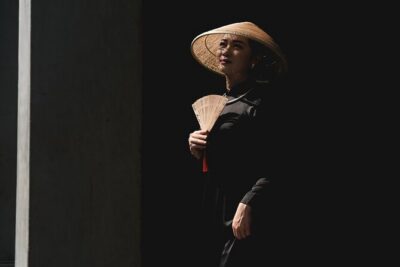
Private Sunrise Photography Tour – Down in Chinatown
Read our review →
Private Photography Tour & Ho Chi Minh City Exploration By Local
Read our review →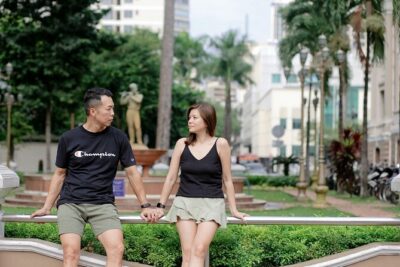
Photography Tour with Professional Photographer in Ho Chi Minh
Read our review →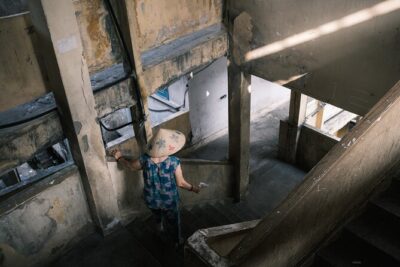
Private Sunset Photography Tour – Travel through history and time
Read our review →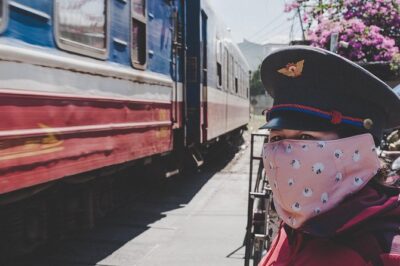

Browse the lists this tour appears in