
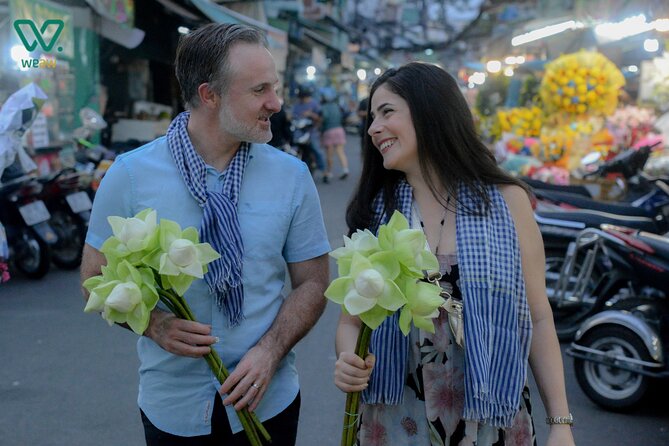
Reviewed · HO CHI MINH CITY
Lotus Experience
The lotus is the star here, but this is really a lesson in how one flower touches Vietnamese life. You’ll see it sold at Ho Thi Ky Flower Market, offered at a Buddhist pagoda, served at dinner, and remembered through music and art. I like the local focus and the way the afternoon moves from a working market to a quiet spiritual setting. The all-lotus vegetarian meal is another strong point. The one drawback is that the tour’s appeal depends on your interest in symbolism, food, and cultural interpretation rather than major sights.
I also like the private format, with transport, a guide, and driver included. It should feel more personal than a large city tour, and the late-afternoon start gives you a useful change of pace after a day in Ho Chi Minh City. Keep in mind that the experience requires good weather, and the 4.5-hour schedule leaves little room for major changes.
Key points at a glance
- Ho Thi Ky Flower Market: See lotus flowers in a real local market setting and learn how the flower is prepared for decoration and food.
- Quoc Tu Pagoda: Explore the lotus in Vietnamese Buddhism and make a lotus offering at a national pagoda.
- An all-lotus dinner: Try lotus rice, lotus salad, and lotus milk as part of a vegetarian meal.
- B/S Art Studio: End with lotus tea, dessert, Vietnamese folk music, and art connected to the country’s past and present.
- Private transport and guide: Your group receives a private vehicle, driver, guide, bottled water, and a welcome gift set.
- Afternoon-to-evening timing: The 3:30 pm start lets you see how the lotus is used from daylight into the evening.
Why the lotus makes a good Ho Chi Minh City theme
Ho Chi Minh City can be hard to read on a short visit. Its streets are fast, noisy, and full of modern commerce. A tour centered on one plant gives you a simple way to connect food, religion, family customs, decoration, and national identity.
The lotus is especially useful as a symbol because it grows in muddy water but produces a clean, beautiful flower. In Vietnamese culture, that image points to purity, resilience, and the ability to rise above difficult conditions. The tour uses that idea as a thread, but it also keeps the focus practical. You are not only hearing about the flower. You are seeing it, handling it, eating it, and watching it appear in spiritual and artistic settings.
I like this approach because it avoids a quick checklist of famous buildings. You still visit an important pagoda, but the purpose is to understand what the lotus means there. You also get a meal built around the same ingredient, so the subject continues on your plate rather than ending with a short talk.
The experience lasts about four and a half hours and begins at 3:30 pm. That timing is useful. You start in the working city, move into a calmer religious setting, and finish with dinner and cultural performance after dark.
Other Ho Chi Minh City trips people line up in the same week:
- Cu Chi Tunnels Tour from HCM City – Morning or Afternoon
★ 5.0 · 15,833 reviews - From HCM City: Mekong Delta Tour with Sampan Journey
★ 4.5 · 13,132 reviews - Ho Chi Minh City Street Food Tour & Sightseeing By Motorbike
★ 5.0 · 9,413 reviews
Ho Thi Ky Flower Market and the working life of the lotus
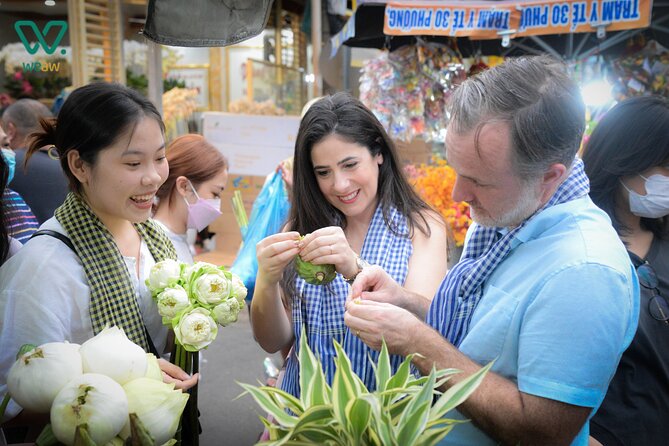
The first stop is Ho Thi Ky Flower Market, described as the largest flower market in Ho Chi Minh City. This is where the experience feels most connected to ordinary city life. Instead of seeing lotus flowers arranged only as a symbol, you can look closely at the flower itself and learn about its parts, appearance, and uses.
The guide explains how lotus flowers are cared for and transformed into decoration. That hands-on element matters. It gives you a chance to notice details that are easy to miss when you simply pass a flower stall, such as the shape of the bloom and the way it is prepared for display.
The market also introduces the lotus as food. Lotus seeds can be used in soup, lotus leaves can add fragrance to rice, and lotus roots bring a cool, crisp element to cooking. Those examples help explain why the flower is not just an image on a postcard. Different parts of the plant have a place in the Vietnamese kitchen.
This stop is likely to be the most active and visually busy part of the afternoon. You should be ready for a market environment rather than a polished museum. The advantage is authenticity and direct contact with local commerce. The tradeoff is that market conditions can be less predictable, and the tour is also dependent on weather.
The experience is presented as plastic-free, local, and personal. Those aims fit the market visit well. You are encouraged to look at how one natural product can move from cultivation to decoration, ritual, and food without being treated as a disposable souvenir.
Quoc Tu Pagoda and the lotus in Buddhism
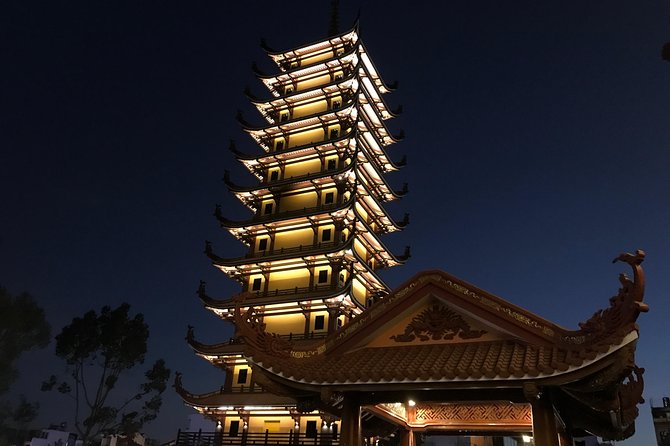
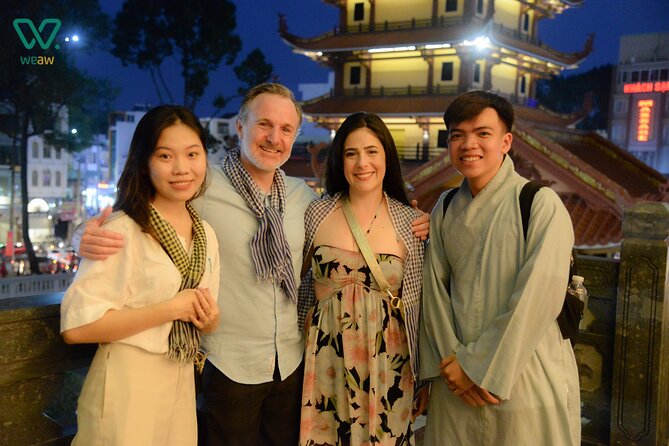
After the market, the tour moves to Quoc Tu Pagoda, identified as the national pagoda of Vietnam. Here the lotus changes meaning. At the market, it is a flower sold and prepared for use. At the pagoda, it becomes a spiritual image and an offering.
The guide helps you understand the lotus in Buddhist symbolism. Its growth from muddy water toward a clean bloom represents the movement from difficulty and confusion toward clarity. That meaning is not separate from the tour’s wider message about Vietnamese people rising from hardship and reaching outward into the world.
You also use a lotus flower as an offering. This is a small action, but it gives the visit more purpose than simply walking through a religious building while listening to facts. You can see how an object from the market takes on a different role in a sacred place.
A pagoda visit also calls for respect. Dress and behavior should be suitable for a religious site, even though the supplied information does not give a formal dress code. Follow your guide’s instructions, keep your voice low, and treat the offering as a religious act rather than a photo prop.
The pagoda portion should appeal most to people who like cultural context. If you want a tour made mainly of grand architecture or dramatic city views, this may feel quiet. If you enjoy understanding why a familiar image appears again and again in local life, it is one of the most meaningful parts of the route.
The transition from the flower market to the pagoda is one of the tour’s best ideas. You see the lotus first as a working product and then as a sign of spiritual vitality. That contrast gives the flower a fuller meaning.
A vegetarian dinner built around lotus
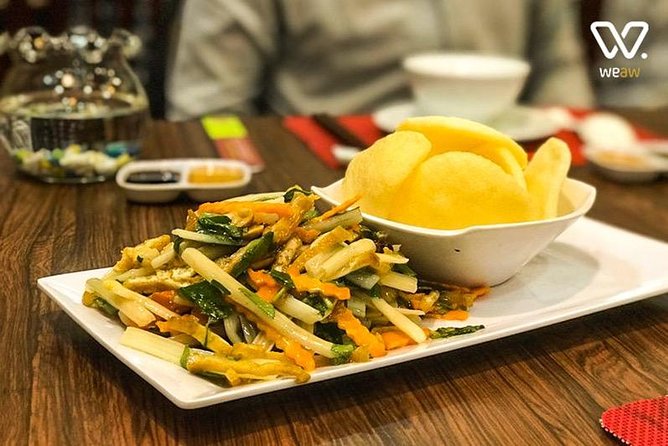
Dinner is included, and the menu centers on lotus ingredients. The meal includes lotus rice, lotus salad, and lotus milk, along with a special vegetarian spread made with lotus as a key ingredient.
This is more interesting than a standard restaurant stop because the food answers a question raised earlier in the tour: how does the lotus enter daily life? You get to taste several forms rather than hearing a general statement that the plant is edible.
Lotus rice is described as carrying the aroma of lotus leaves. Lotus salad offers a different texture, while lotus milk provides a cool drink. The meal gives you a chance to compare the plant’s fragrance, taste, and texture across several dishes.
The dinner is also intended to feel personal and shared. One detailed account described it as like sharing a meal with family, which fits the private format and the cultural goal of the experience. You are not simply being dropped at a restaurant with a voucher. The meal is part of the story, and your guide remains connected to the experience.
The menu is vegetarian, so this is a good choice if you want a plant-based dinner with a Vietnamese theme. The information provided does not state whether dietary substitutions are available, so you should ask the operator about allergies or special requirements before booking.
At $93, the dinner helps explain the price. You are paying for more than admission to a single sight. The package includes private transport, a private guide and driver, water, entrance fees, dinner, a welcome gift set, live Vietnamese folk music, and a surprise after the tour. Whether that is good value depends on your priorities, but the meal is a substantial part of what makes the experience different from a basic walking tour.
A completely different sort of day out of Ho Chi Minh City:
- HCM: Cu Chi Tunnels-Tapioca Small Group Tour Morning or Afternoon
★ 5.0 · 7,485 reviews - Cu Chi Tunnels and Mekong Delta Signature Tour
★ 5.0 · 7,328 reviews - Mekong Delta Guided Tour from Ho Chi Minh City
★ 4.5 · 7,192 reviews - Cu Chi Tunnels & Mekong Delta Tour with VIP Limousine Transfer
★ 5.0 · 7,052 reviews
B/S Art Studio, lotus tea, and Vietnamese folk music
The final stop is B/S Art Studio. Here the tone shifts again, from market and pagoda to art, tea, dessert, and music.
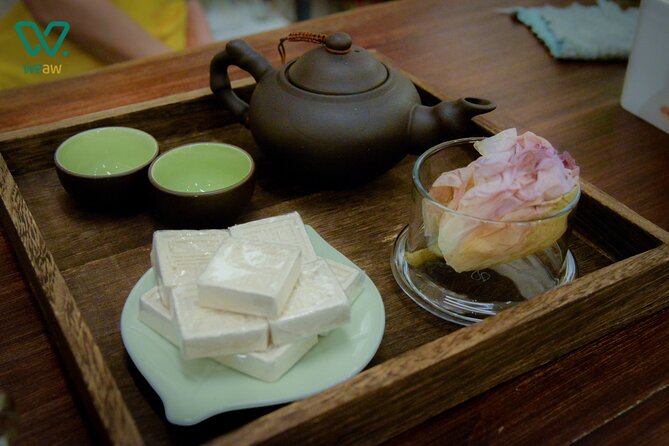
You drink lotus tea and have dessert while listening to Vietnamese folk music. The music is described as live, with historical tunes that connect the lotus to Vietnam’s past, present, and future. This gives the evening a slower ending and provides space to think about the themes introduced earlier.
The art studio also broadens the experience beyond food and religion. The lotus appears as a subject of visual culture, not just a flower in a vase or ingredient in a dish. Since the details of the studio’s collection and performance are not specified, you should expect an intimate cultural stop rather than a major public museum.
I like the order of this final stop. By this point, you have already seen the lotus in commerce, ritual, and cuisine. Tea, dessert, music, and art allow the tour to close on memory and atmosphere instead of rushing you back into the city.
The studio may be the best part for a honeymoon, anniversary, or final evening in Ho Chi Minh City. One couple used the experience to begin a honeymoon, and the personal sequence of stops gave their evening a special sense of occasion. You do not need a special celebration to enjoy it, but the private setup suits couples and small groups well.
What the private format really adds
This is a private tour, so only your group participates. That matters because the subject calls for questions. You can ask why a certain lotus part is used in food, how the flower functions as an offering, or what a piece of music means without waiting for a large group to catch up.
Private transport is included, along with a driver and guide. Pickup is offered, though the supplied information does not state the exact pickup area or whether every hotel is covered. Confirm that point when booking.
The private format also makes the 3:30 pm start easier. You move through several types of stop without needing to follow a large bus schedule. Bottled water is provided, and a welcome gift set is included. There is also a surprise after the tour, though its contents are not specified.
The available feedback is very positive, with a five-star overall rating from three reviews. The strongest praise centers on the guides, the thoughtful order of the itinerary, the cultural information, and the warm feeling created by the dinner. No guide names are provided, so I would not expect to request a particular guide by name.
Who will get the most from this experience
I would choose this tour if you want a focused cultural evening rather than a broad introduction to every major sight in Ho Chi Minh City. It suits you particularly well if you enjoy:
- Vietnamese food and vegetarian cooking
- Buddhist symbolism and religious customs
- Flower markets and everyday local life
- Small-group or private touring
- Music, tea, and art
- A slower evening with a clear theme
It may be less suitable if you want nightlife, historic landmarks in large numbers, or a tour built around photography and city views. The lotus theme is present at every stop, so you should be genuinely interested in the subject before paying $93.
The experience is also a good choice for a final evening in the city. The schedule begins in the afternoon and ends with food, tea, music, and dessert. That makes it feel more like a complete cultural outing than a quick attraction visit.
Price, timing, and practical value
The listed price is $93 per person. That is not a budget outing, but the package includes several costs that would otherwise add up: private transport, a guide, a driver, fees and taxes, bottled water, dinner, a welcome gift, and live music.
The value is strongest when two or more people share the private experience and care about the full sequence. If you only want to see a flower market or eat a lotus dish, you can find cheaper ways to do those things. The price makes more sense if you want the interpretation, transport, pagoda visit, meal, and art stop tied together.
Start time is 3:30 pm, and the total duration is approximately four hours and thirty minutes. Plan for an afternoon that runs into the evening. Good weather is required. If poor weather cancels the tour, you will be offered another date or a full refund.
Confirmation is provided at booking, and the tour is near public transportation. Most people can participate, but the information does not provide detailed accessibility notes. Ask the operator directly if you need specific arrangements.
Free cancellation is available up to 24 hours before the start time for a full refund. Cancellations or changes within 24 hours are not accepted for a refund.
Should you book the Lotus Experience?
Book it if you want to understand Ho Chi Minh City through one meaningful cultural symbol. The best parts are the clear progression from Ho Thi Ky Flower Market to Quoc Tu Pagoda, then to an all-lotus vegetarian meal and a relaxed finish with tea, art, dessert, and live folk music.
The tour’s great strength is its unity. The flower is not a loose excuse for several unrelated stops. It appears in commerce, food, Buddhism, music, and art, giving the evening a clear shape.
Skip it if your main goal is famous architecture, nightlife, or a low-cost city tour. At $93, this is a specialized experience, not a general sightseeing bargain. For couples, small private groups, food lovers, and anyone looking for a thoughtful final evening in Ho Chi Minh City, it is a strong choice.
FAQ
How long does the Lotus Experience last?
The experience lasts approximately 4 hours and 30 minutes. It starts at 3:30 pm and continues into the evening.
What places are included?
The tour visits Ho Thi Ky Flower Market, Quoc Tu Pagoda, and B/S Art Studio.
Is dinner included?
Yes. Dinner is a special vegetarian meal featuring lotus ingredients, including lotus rice, lotus salad, and lotus milk.
Is transportation provided?
Yes. Private transportation, a driver, and a private tour guide are included. Pickup is offered.
Is this a private tour?
Yes. Only your group participates in the activity.
What happens if bad weather cancels the tour?
Because the experience requires good weather, you will be offered a different date or a full refund if poor weather causes cancellation. You can also cancel up to 24 hours before the start time for a full refund.
Newest Ho Chi Minh City write-ups
- VIP Tour Authentic Mekong Delta & Local pagoda by SpeedBoat★ 4.6 · 5 reviews
- Vung Tau Beach Full Day Trip From Ho Chi Minh City★ 4.4 · 13 reviews
- Water Puppet Show And Dinner Cruise On Saigon River Tour★ 4.0 · 6 reviews
- Private Luxury Tour Mekong Delta 1 day★ 5.0 · 3 reviews
- VIP Tour Enjoy Romantic Sunset by Speed Boat Free Cocktail★ 4.8 · 13 reviews
- Off The Beaten Track The Mekong By Bike,boat & Kayak Day Trip★ 5.0 · 4 reviews
- Mekong Delta 2 Days 1 Night Small Group Homestay★ 5.0 · 37 reviews
- Mekong Delta from Phu My Cruise Harbor★ 5.0 · 6 reviews