
Reviewed · COFFEE EXPERIENCES
Coffee Workshop in Ho Chi Minh City: Discover the art of coffee
Vietnamese coffee is more than a strong drink with condensed milk. In this two-hour Ho Chi Minh City workshop, you handle coffee cherries, sort green beans, compare roast levels, and brew with a traditional phin filter. It is a practical look at how Vietnam’s Robusta beans move from farm to cup.
I like the hands-on work and the small group limit of 15 people. You are not just watching a demonstration. You select defective beans, try processing methods, roast coffee, and taste the results. I also like that the class ends with a cup you make yourself, rather than a generic café stop.
The main caution is that this can feel technical if you only want a few simple tips for better coffee. One participant found the instruction very scientific, and a young instructor’s English was difficult to follow. The teaching team includes Chris and Danny, though, and the class can be adapted when attendance is very low.
Key points to know before booking
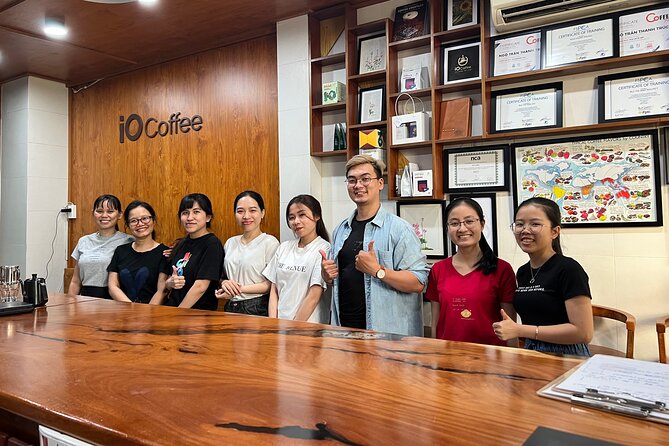
- Coffee from cherry to cup: Handle ripe coffee cherries, green beans, and samples from different processing methods.
- A real phin brewing lesson: Make Vietnamese coffee with the traditional metal filter and learn how brewing affects the cup.
- Roasting is part of the work: Compare three roast levels and decide which style suits your taste.
- Small class format: The group can include up to 15 people, with some sessions possibly much smaller.
- District 7 location: Meet at The Signature M7 in Phu My Hung, then return to the same meeting point.
- Best for curious coffee drinkers: The $71 price makes the most sense if you want coffee education and hands-on practice, not just a drink.
Starting at The Signature M7 in District 7
The workshop begins in the lobby of Block A and B at The Signature M7, in the Phu My Hung area of District 7. This matters because the class is not presented as a city sightseeing tour. You are going to one fixed teaching location, spending the full session focused on coffee.
The activity lasts about two hours and ends back at the meeting point. That makes it easy to fit into a day of exploring Ho Chi Minh City, provided you allow time to reach District 7. The listing notes that the location is near public transportation, but it does not give a specific route or travel time from central districts, so check your own transport plan before booking.
You receive confirmation when you book, and a mobile ticket is available. Service animals are allowed. These are small practical points, but they help if you are planning a busy day or prefer to keep your booking details on your phone.
More Vietnamese coffee sessions in Ho Chi Minh City:
- Fun & Easy Vietnamese Coffee Workshop in Hồ Chí Minh City
★ 5.0 · 293 reviews - Vietnamese Coffee & Culture Exploration in Hồ Chí Minh City
★ 5.0 · 202 reviews - Decadent Vietnamese “Egg Coffee” Workshop in Hồ Chí Minh City
★ 5.0 · 150 reviews
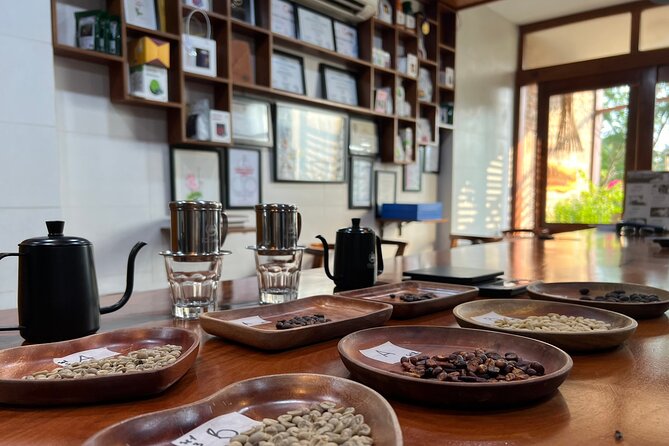
Handling coffee cherries and green beans
The first part looks at farming and early processing. You learn how coffee cherries are harvested and what a ripe cherry looks like inside. That simple look at the fruit helps correct a common misunderstanding: coffee beans are not beans in the usual sense. They are seeds inside a fruit.
You also see a small-scale demonstration of three coffee processing methods. The supplied details do not name each method, so you should expect a visual comparison rather than a farm visit or a full production tour. Still, this section gives useful context. Processing changes how the seed develops before roasting, and it helps explain why two coffees made from similar beans can taste different.
The most useful activity here may be sorting. You examine green beans and remove defective ones yourself. This turns quality control into something you can see and feel. If you usually buy coffee by origin or roast label alone, the exercise shows why the condition of the beans matters.
I like this part because it gives you something to do with your hands. You are not asked to accept a long lecture about farming. You look at cherries, touch green beans, peel coffee fruit, and make choices. The experience is more memorable because the lesson has a physical side.
Do not expect a trip to a coffee plantation. The workshop explains the steps and provides small demonstrations. If you want wide farm views or a day in the countryside, this is the wrong format. If you want a compact introduction to what happens before roasting, it uses its two hours well.
Roasting three levels to find your preference

Next comes hands-on roasting. You work with three roast levels and compare how each one changes the coffee. This is one of the stronger parts for anyone who has trouble describing what they like in a cup.
Roasting affects aroma, taste, body, and the way acidity comes through. The class gives you a direct comparison instead of asking you to remember a definition. You can notice which roast seems more appealing to you and begin to connect preference with the roasting process.
The experience is not only about finding the darkest possible coffee. Vietnamese coffee is often associated with a bold, heavy cup, but this workshop presents more than one roast level. That makes the session useful for people who drink coffee black, with milk, or as a traditional Vietnamese-style drink.
The roasting section also explains why quality is not the same thing as strength. A strong cup can still be poorly made, and a lighter roast can show more of the bean’s natural character. You may leave with a better sense of why café menus and coffee bags use roast terms, even if you do not plan to roast at home.
The class follows the SCA Introduction to Coffee program. That suggests a structured foundation rather than a casual tasting alone. One important warning: the technical content may be more detailed than some people expect from a holiday activity. If your goal is simply to learn how to make a sweeter café-style drink, parts of the roasting and quality discussion may feel like a lot.
Cupping and comparing what is in the cup
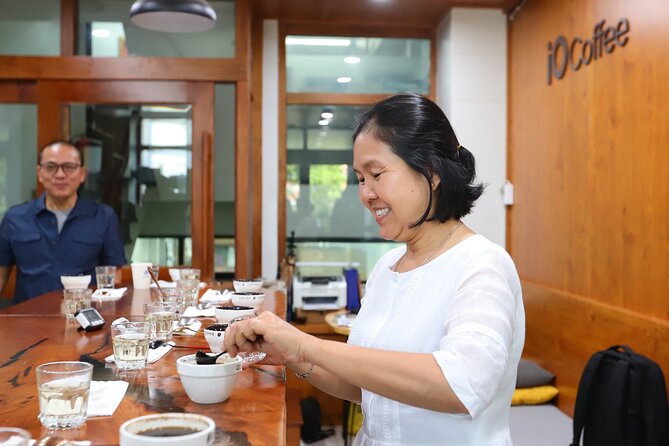
The tasting section, or cupping, gives you a chance to compare coffee from the different roast levels. This is where the earlier work starts to make sense. You can connect the green bean, the roast, and the finished flavor.
The class is designed to help you tell low and high-quality coffee apart, using demonstrations and samples. That does not mean you become a professional taster in one afternoon. It does mean you get a basic method for paying attention to aroma, flavor, and differences between samples.
I would approach this part with an open mind. Coffee tasting can feel formal at first, especially if you are used to adding sugar or condensed milk. The point is not to prove that one style is right. It is to help you identify what you enjoy and recognize signs of poor quality.
The tasting also gives useful background for Vietnam’s place in the coffee trade. Vietnam is one of the world’s top coffee-producing countries, and Robusta is central to its coffee identity. Fine Robusta can have more character than its reputation suggests, especially when the beans are handled and roasted with care.
More hands-on workshops in Ho Chi Minh City:
- Cai Be Mekong Delta Tour: Cooking Class, Cycling & Craft Villages
★ 5.0 · 1,881 reviews - Chef Vu Cooking Class Plus Market Trip in Saigon Center (Pick up by Cyclo)
★ 5.0 · 477 reviews - Immersive Cooking Class & Wet Market Tour by Local Chef +Cookbook
★ 5.0 · 367 reviews - Small-group 2-Day Mekong Delta: Floating market, Cooking Class…
★ 5.0 · 194 reviews
Brewing Vietnamese coffee with a phin
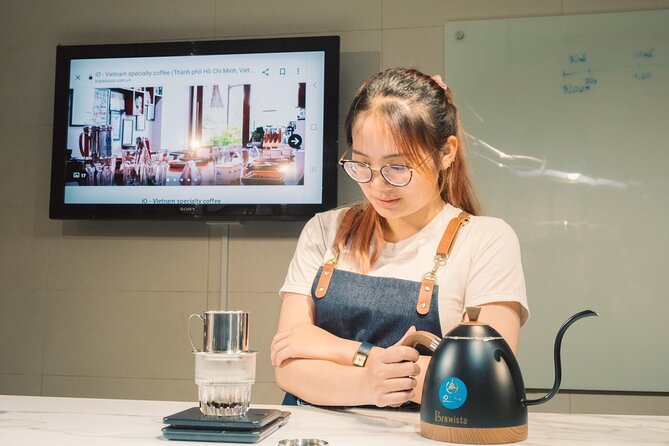
The final section focuses on the traditional Vietnamese phin. This small metal filter sits over a cup and lets water pass slowly through the coffee. It is simple equipment, but the result depends on details such as the coffee amount, water, pressure from the filter insert, and brewing time.
You make your own cup rather than only watching an instructor. That is the practical payoff of the workshop. Once you understand the method, you can repeat it at home with a phin and Vietnamese coffee.
The class presents phin coffee as part of Vietnamese coffee culture, not just as a novelty brewing device. That context matters. A phin is slower than many modern café methods, and the waiting is part of the experience. It gives you time to smell the coffee and watch the brew collect below.
The focus is on exploring the natural flavors of Vietnam’s Fine Robusta beans. The supplied information does not specify whether condensed milk is included in the final preparation, so do not book this expecting a guaranteed lesson in every famous Vietnamese coffee variation. The clear promise is traditional phin brewing and tasting the coffee itself.
I like ending with brewing. You have already seen the fruit, handled green beans, compared roasts, and tasted samples. The final cup ties those stages together. It also gives you a useful skill rather than a souvenir that stays in a cupboard.
What $71 gets you
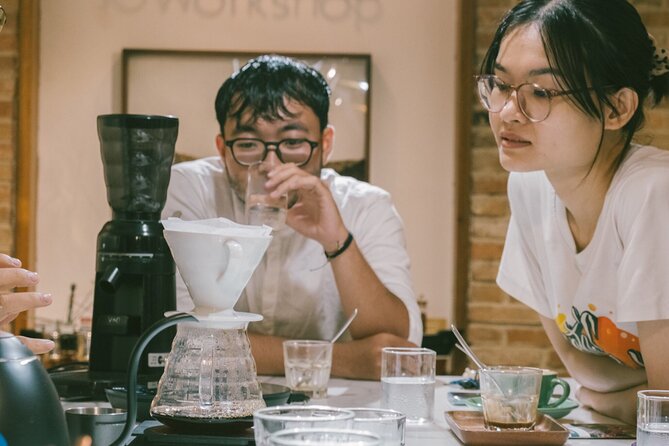
At $71, this is not a cheap coffee tasting. You are paying for instruction, equipment, samples, hands-on activities, and a small group rather than only for a beverage. The value depends on how much you want to understand the drink.
For a coffee enthusiast, the price is easier to justify. You get a broad sequence in a short time: farming, processing, quality sorting, roasting, tasting, and brewing. The group cap of 15 should also give the instructor room to answer questions and watch your brewing technique.
For a casual coffee drinker, the calculation is different. You might prefer spending the money on several café visits and trying different drinks around the city. This workshop earns its price only if you want the background and the practical skill, not just the taste of Vietnamese coffee.
The strongest value comes from the variety. Many coffee activities stop at a tasting or a brewing demonstration. Here, you get to touch coffee at several stages and compare the outcome. If the session has only one or a few participants, it can become a much more personal lesson. Chris has been praised for adapting the course to a one-person session, and Danny has been described as patient in explaining the details.
The experience has a 4.9 rating from 35 reviews, with 94 percent recommending it. Those numbers point to strong satisfaction, but they do not erase the need to match the class to your interests. A high rating from coffee fans does not mean every casual visitor will want the technical detail.
The teaching style and language question
The instructor matters here because the subject includes specialist terms and sensory descriptions. Chris is described as kind, funny, and able to adapt the class to a solo participant. Danny is described as patient when explaining the details.
At the same time, one participant found a young instructor’s English difficult to understand. That is worth keeping in mind if you rely on spoken explanations for technical subjects. The available information does not identify which instructor led that session, so you cannot assume every class will have the same communication issue.
The best approach is to arrive ready to ask questions and handle the materials yourself. The practical demonstrations can help make the ideas clear, even if a phrase or explanation passes too quickly. The class is not advertised as a relaxed social café chat. It follows a course structure and may suit someone who enjoys learning through detail.
Who should book this coffee workshop?
I would recommend it to you if coffee is part of how you travel. You want to know why Vietnamese coffee tastes different, how Robusta is judged, and how a phin works. You also like short classes where you can touch the ingredients and take part in the process.
It suits solo visitors and couples particularly well. The group may be as large as 15, but a small booking can lead to a more personal session. Families or mixed-interest groups may enjoy the fruit and brewing activities, though anyone uninterested in coffee may find the technical sections slow.
This is also a good choice after you have already tried Vietnamese coffee in cafés and want to understand it better. You will recognize the phin method and local coffee style, then see what happens before the cup reaches the table.
I would hesitate if you want a quick, informal lesson with only a few home-brewing tips. The roasting, quality control, and tasting sections add substance, but they also add time. The one critical account describes the class as aimed at the serious barista, so ask yourself if that level of detail sounds appealing.
Practical booking advice and cancellation terms
The activity is in District 7, not a moving tour through Ho Chi Minh City. Confirm the meeting point at The Signature M7, lobby of Block A and B, and plan your route before the start time.
You can cancel for a full refund if you do so at least 24 hours before the local start time. Cancellations or changes made within 24 hours are not accepted and are not refunded. That policy makes it wise to book only after you are confident about your schedule.
Should you book the iO Specialty Coffee workshop?
Book it if you want more than a photo of a phin coffee. The class gives you a compact, hands-on look at Vietnamese coffee, from ripe cherry and green bean selection to roast comparison, tasting, and brewing. The small group limit and adaptable instructors add value, especially for serious coffee fans.
Skip it if you want a low-cost café experience or a very short demonstration. At $71, the workshop asks you to pay for education and participation. For the right person, that is the point: you leave with a better sense of coffee quality and the ability to brew an authentic phin cup at home.
FAQ
How long does the coffee workshop last?
The workshop lasts approximately two hours.
Where does the workshop meet?
It meets at The Signature M7, in the lobby of Block A and B, at Phu My Hung in District 7, Ho Chi Minh City.
Where does the activity end?
The activity ends back at the meeting point.
How many people can join the class?
The maximum group size is 15 participants.
What will I learn during the workshop?
You will learn about coffee harvesting, coffee cherries, green bean selection, three processing methods, roasting, cupping, and traditional Vietnamese phin brewing.
Can I cancel for a full refund?
Yes. You can receive a full refund if you cancel at least 24 hours before the experience start time. Cancellations within 24 hours are not refunded, and changes during that period are not accepted.
Newest Ho Chi Minh City write-ups
- VIP Tour Authentic Mekong Delta & Local pagoda by SpeedBoat★ 4.6 · 5 reviews
- Vung Tau Beach Full Day Trip From Ho Chi Minh City★ 4.4 · 13 reviews
- Water Puppet Show And Dinner Cruise On Saigon River Tour★ 4.0 · 6 reviews
- Off The Beaten Track The Mekong By Bike,boat & Kayak Day Trip★ 5.0 · 4 reviews
- Private Luxury Tour Mekong Delta 1 day★ 5.0 · 3 reviews
- VIP Tour Enjoy Romantic Sunset by Speed Boat Free Cocktail★ 4.8 · 13 reviews
- Mekong Delta 2 Days 1 Night Small Group Homestay★ 5.0 · 37 reviews
- Mekong Delta from Phu My Cruise Harbor★ 5.0 · 6 reviews
Coffee Experiences, compared.
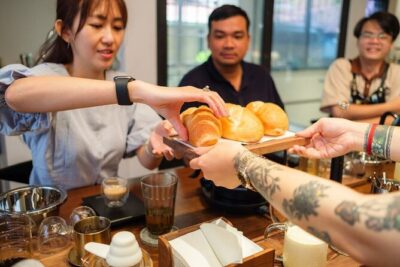
Fun & Easy Vietnamese Coffee Workshop in Hồ Chí Minh City
Read our review →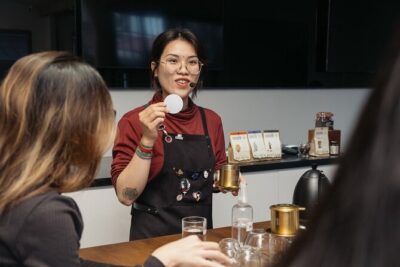
Vietnamese Coffee & Culture Exploration in Hồ Chí Minh City
Read our review →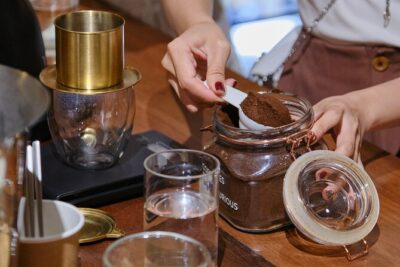
Decadent Vietnamese “Egg Coffee” Workshop in Hồ Chí Minh City
Read our review →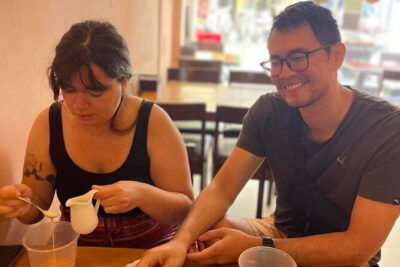
1 hour Egg Coffee Cooking Class with Snack and Local Instructor
Read our review →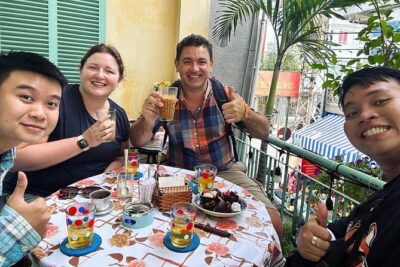
Saigon Unseen: Culture, Coffee, Hidden Spots Motorbike Adventure
Read our review →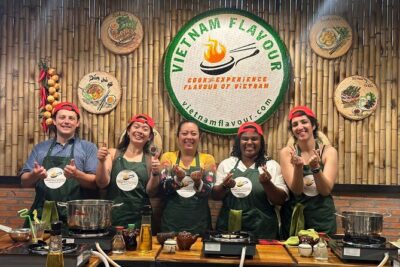
Vietnam Flavour: Market-to-Table & The Art of Egg Coffee
Read our review →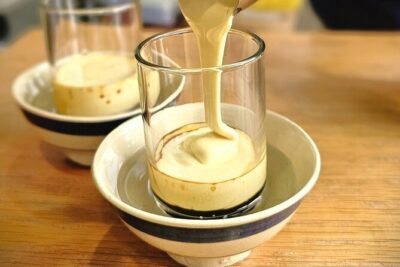
Vietnam Coffee Journey – Make extraordinary tasty coffee yourself
Read our review →
Ho Chi Minh Street Food Tour and Vietnamese Coffee
Read our review →Browse the lists this tour appears in